We Use CookiesWe use cookies to enhance the security, performance, functionality and for analytical and promotional activities. By continuing to browse this site you are agreeing to our privacy policy

10 Best Cameras For Wildlife Photography Beginners 2026 in the United States

#1

Winner

10.0 score

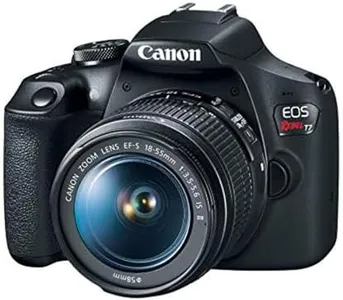
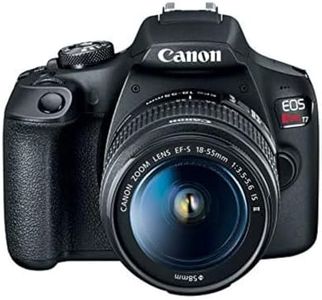
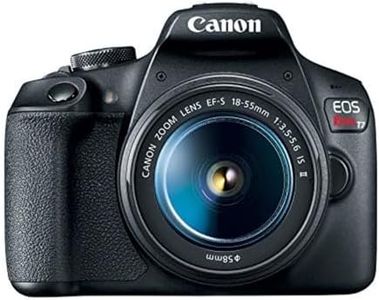
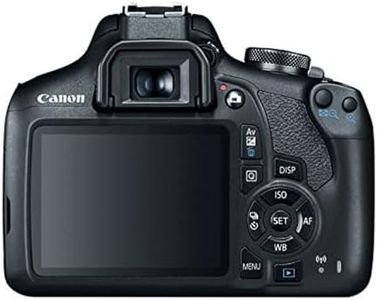
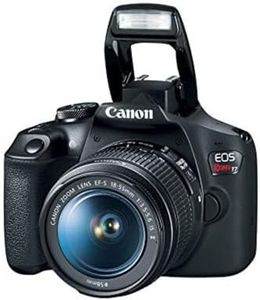
Canon EOS Rebel T7 DSLR Camera with 18-55mm Lens | Built-in Wi-Fi | 24.1 MP CMOS Sensor | DIGIC 4+ Image Processor and Full HD Videos

The Canon EOS Rebel T7 is a solid entry-level DSLR for beginners interested in wildlife photography. Its 24.1 MP APS-C sensor delivers good image quality and decent detail, which is important for capturing animals in their natural settings. The 9-point autofocus system, while basic compared to more advanced models, is reliable enough for stationary or slow-moving subjects but may struggle with fast wildlife action. The camera shoots at 3 frames per second, which is somewhat slow for capturing quick bursts, so it’s better suited for patient shooting rather than fast-paced moments.

#2
10.0 score

Sony ILCE-7M3K/B a7 III 24.2MP Full Frame Mirrorless Camera w 28-70mm Lens
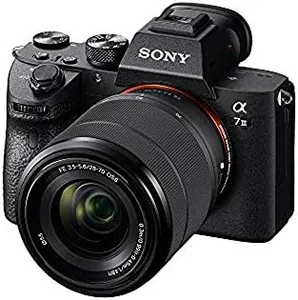
The Sony a7 III is a strong choice for beginners interested in wildlife photography thanks to its full-frame 24.2MP sensor, which captures sharp, detailed images with excellent dynamic range. This larger sensor size helps produce clearer photos in various lighting conditions, which is valuable when shooting animals outdoors. Its autofocus system is very advanced, offering 693 phase-detection points and 425 contrast points that cover most of the frame. This means the camera can quickly and accurately track moving wildlife—a big plus when capturing fast or unpredictable subjects. The camera supports up to 10 frames per second shooting, allowing you to snap multiple shots rapidly, increasing your chances of getting that perfect action shot.

Rating
10.0
Autofocus System
Frame Rate
Lens Compatibility

Most important from
2329 reviews

Autofocus System
While the autofocus and shooting speed are strong, faster frame rates and more advanced autofocus features would enhance action photography further.
Frame Rate
While the autofocus and shooting speed are strong, faster frame rates and more advanced autofocus features would enhance action photography further.
Lens Compatibility
The included lens is useful for general purposes, but pairing the camera with longer telephoto lenses is recommended to capture distant wildlife effectively.
Image Stabilization
Built-in image stabilization and solid battery life support extended shooting sessions in the field, reducing blur and downtime.
Battery Life
Built-in image stabilization and solid battery life support extended shooting sessions in the field, reducing blur and downtime.
#3
9.7 score

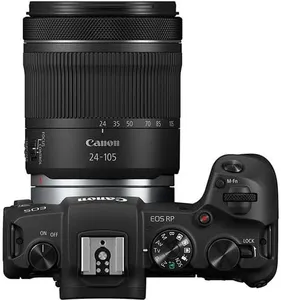
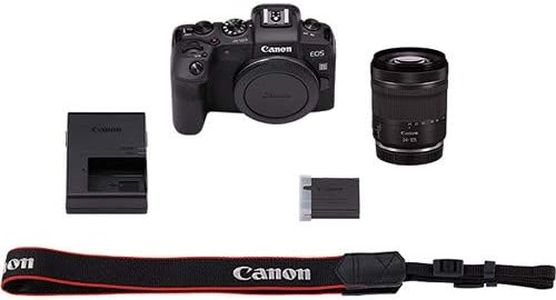
Canon EOS RP Full-Frame Mirrorless Interchangeable Lens Camera + RF24-105mm Lens F4-7.1 is STM Lens Kit- Compact and Lightweight for Traveling and Vlogging, Black (3380C132)

The Canon EOS RP paired with the RF24-105mm lens is a lightweight and compact full-frame mirrorless camera, making it a convenient choice for beginners interested in wildlife photography who want something easy to carry on outings. Its full-frame sensor offers good image quality and detail, which is great for capturing wildlife shots. The autofocus system is solid with phase-detection and 4779 focus points, helping you track moving animals reasonably well, although it may not be as fast or advanced as higher-end models designed for professional wildlife work.

Rating
9.7
Sensor Size
Autofocus System
Lens Compatibility

Most important from
1569 reviews

Sensor Size
The camera delivers stunning image quality with a full-frame sensor that significantly outperforms older models, especially in low light and detail clarity.
Autofocus System
Autofocus is impressively fast and reliable, making it much easier to capture moving subjects sharply compared to entry-level DSLRs.
Lens Compatibility
The kit lens offers versatile zoom and effective image stabilization, though switching between autofocus and manual focus requires navigating camera menus rather than a physical switch.
Image Stabilization
The kit lens offers versatile zoom and effective image stabilization, though switching between autofocus and manual focus requires navigating camera menus rather than a physical switch.

Top 10 Best Cameras For Wildlife Photography Beginners 2026 in the United States

#1

Winner

10.0  score

Canon EOS Rebel T7 DSLR Camera with 18-55mm Lens | Built-in Wi-Fi | 24.1 MP CMOS Sensor | DIGIC 4+ Image Processor and Full HD Videos

Sensor Size: APS-C
Autofocus System: 9-point autofocus
Frame Rate: 3 fps
Lens Compatibility: Canon EF and EF-S lenses
Image Stabilization: true
Battery Life: typical for entry-level DSLRs

Chosen by 1411 this week

Sony ILCE-7M3K/B a7 III 24.2MP Full Frame Mirrorless Camera w 28-70mm Lens

Sensor Size: Full Frame (35mm)
Autofocus System: 693 phase and 425 contrast points
Frame Rate: 10 fps
Lens Compatibility: Sony FE
Image Stabilization: Optical
Weather Sealing: Partial weather sealing
Battery Life: Good for mirrorless camera

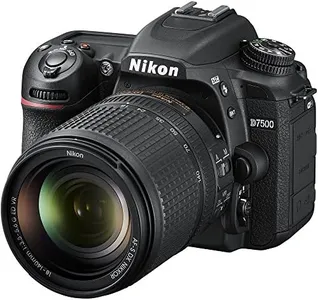
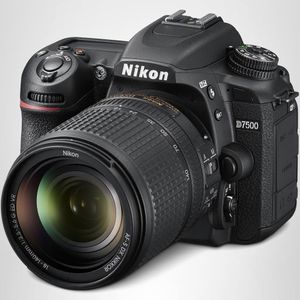
Nikon D7500 20.9MP DSLR Camera with AF-S DX NIKKOR 18-140mm f/3.5-5.6G ED VR Lens, Black

Sensor Size: 20.9 MP
Autofocus System: 51-point with 15 cross-type sensors
Frame Rate: Up to 60 fps
Lens Compatibility: Nikon DX
Image Stabilization: Optical

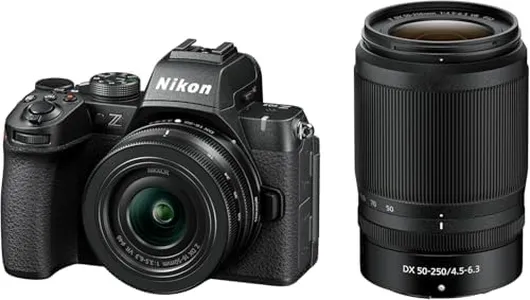
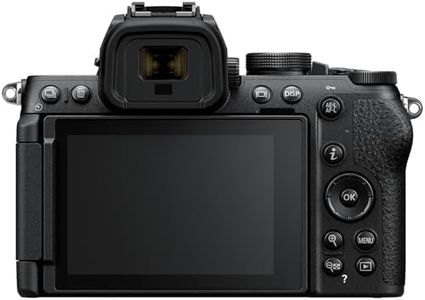
Nikon Z50 II with Two Lenses | Compact mirrorless Stills/Video Camera with Easy Color presets and Wireless Photo Sharing | USA Model
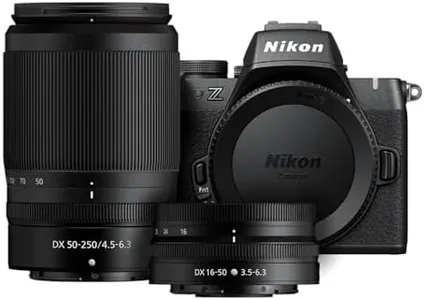
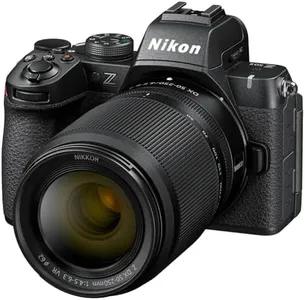
Sensor Size: APS-C
Autofocus System: Tracks nine subjects including birds, planes
Frame Rate: 4K video at 60 fps
Lens Compatibility: Includes 16-50mm and 50-250mm lenses
Image Stabilization: Built into lenses
Weather Sealing: No
Battery Life: Average

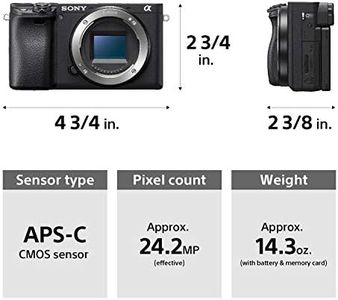
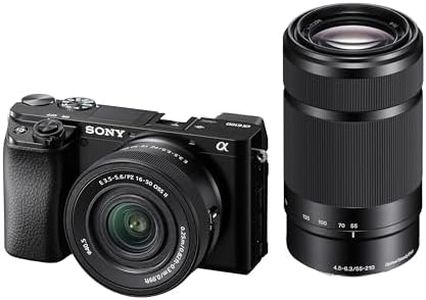
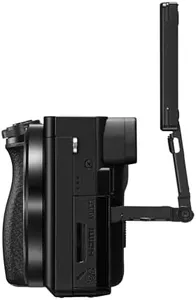
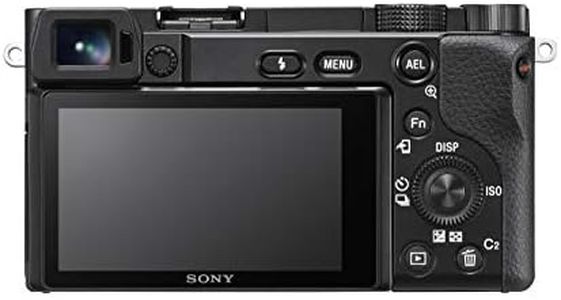
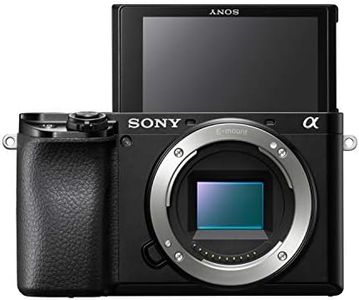
Sony Alpha a6100 w/ 16-50mm + 55-210mm,Black

Sensor Size: APS-C
Autofocus System: 425 points, Eye Detection, Hybrid
Frame Rate: 11 fps
Lens Compatibility: Sony E, Sony FE
Image Stabilization: Optical
Battery Life: average

Sony a6400 Mirrorless Interchangeable-Lens Camera with 18-135mm Lens (Black)
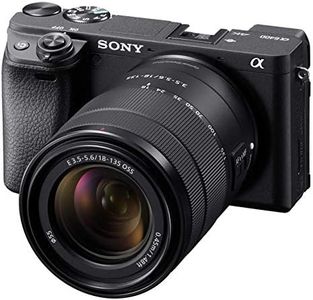
Sensor Size: APS-C
Autofocus System: 425 phase and contrast points
Frame Rate: 11 frames per second
Lens Compatibility: Sony E-mount
Image Stabilization: Not Supported
Battery Life: 4 sec recycling time between shots

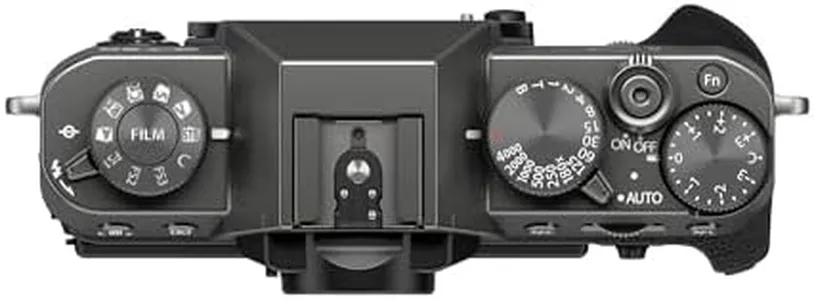
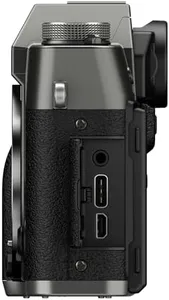
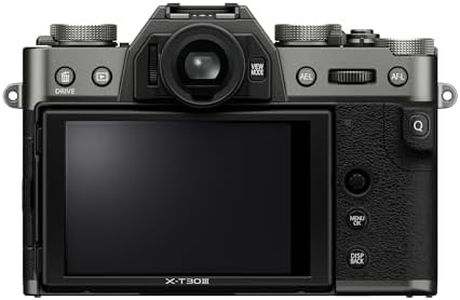
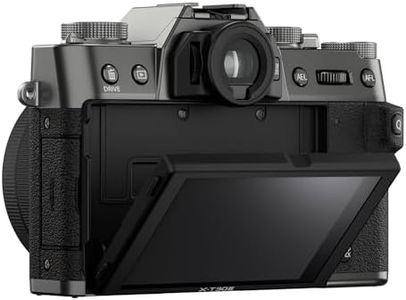
FUJIFILM X-T30 III Mirrorless Camera Body, Charcoal Silver
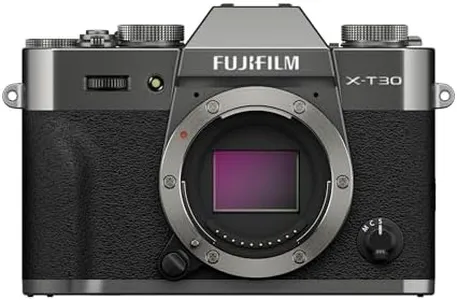
Sensor Size: APS-H
Autofocus System: AI-powered hybrid continuous focus
Frame Rate: 10 frames per second
Lens Compatibility: Fujifilm X mount
Image Stabilization: Optical
Battery Life: Moderate Lithium-Ion power

Nikon D850 DSLR Camera, Bundle with 64GB Memory Card, Shoulder Bag

Sensor Size: Full Frame (35mm)
Autofocus System: 153-point
Frame Rate: 9 fps
Lens Compatibility: Nikon DX, FX
Image Stabilization: Digital
Weather Sealing: Solid
Battery Life: Decent
How do we rank products for you?

Our technology thoroughly searches through the online shopping world, reviewing hundreds of sites. We then process and analyze this information, updating in real-time to bring you the latest top-rated products. This way, you always get the best and most current options available.

headphones-stars

Buying Guide for the Best Cameras For Wildlife Photography Beginners

Choosing the right camera for wildlife photography as a beginner can be a thrilling yet challenging task. Wildlife photography requires a camera that can capture fast-moving subjects, often in low light conditions, and from a distance. Therefore, it's important to consider several key specifications to ensure you get the best results. Understanding these specs will help you make an informed decision and find a camera that suits your needs and enhances your photography experience.
Sensor SizeThe sensor size of a camera determines the amount of light that is captured, which affects image quality, especially in low light conditions. Larger sensors, such as full-frame sensors, capture more light and provide better image quality, but they are also more expensive and result in larger, heavier cameras. APS-C sensors are smaller but still offer good image quality and are more affordable and portable. For beginners, an APS-C sensor is a good balance between quality and cost.
Autofocus SystemThe autofocus system is crucial for wildlife photography as it helps you quickly and accurately focus on fast-moving subjects. Cameras with more autofocus points and advanced tracking capabilities will perform better in this regard. Entry-level cameras may have fewer autofocus points, but they can still be effective if they have good tracking features. Look for a camera with a reliable autofocus system that can keep up with the action.
Frame RateFrame rate, measured in frames per second (fps), indicates how many images a camera can take in a second. A higher frame rate is beneficial for capturing fast-moving wildlife, as it increases your chances of getting the perfect shot. Cameras with a frame rate of 5-10 fps are suitable for beginners, providing a good balance between speed and ease of use.
Lens CompatibilityLens compatibility is important because different lenses are suited for different types of wildlife photography. Telephoto lenses, which have long focal lengths, are essential for capturing distant subjects. Ensure the camera you choose is compatible with a range of lenses, especially telephoto lenses. As a beginner, you might start with a versatile zoom lens and gradually invest in more specialized lenses as you gain experience.
Image StabilizationImage stabilization helps reduce blur caused by camera shake, which is particularly useful when shooting handheld or in low light conditions. Some cameras have built-in stabilization, while others rely on stabilized lenses. For wildlife photography, having some form of image stabilization is beneficial, especially when using long telephoto lenses. Look for a camera or lens with effective stabilization to improve your chances of getting sharp images.
Weather SealingWeather sealing protects your camera from dust, moisture, and other environmental elements, which is important when shooting outdoors in various conditions. Cameras with weather sealing are more durable and can withstand the rigors of wildlife photography. As a beginner, you may not need the highest level of weather sealing, but having some protection can give you peace of mind and allow you to shoot in more challenging environments.
Battery LifeBattery life is an important consideration, especially for wildlife photography, where you may be out in the field for extended periods. A camera with a longer battery life will allow you to shoot for longer without needing to recharge or change batteries. Look for a camera that offers good battery performance, and consider carrying spare batteries to ensure you don't miss any important shots.

FAQ