We Use CookiesWe use cookies to enhance the security, performance, functionality and for analytical and promotional activities. By continuing to browse this site you are agreeing to our privacy policy

10 Best Acoustic Electric Guitars 2026 in the United States

#1

Winner

10.0 score

Yamaha FGX800C Solid Top Cutaway Acoustic-Electric Guitar, Dreadnought
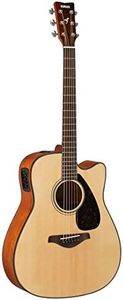
The Yamaha FGX800C Solid Top Cutaway Acoustic-Electric Guitar is a solid option for both beginners and intermediate players looking for a reliable instrument. The solid Sitka spruce top delivers a rich, resonant sound that enhances its tonal quality, while the nato back and sides add warmth to the overall sound profile. The dreadnought body shape is popular for its volume and projection, making this guitar suitable for strumming and fingerpicking alike.

Rating
10.0
Chosen by1,112
Body Shape
Tonewood
Electronics

Most important from
365 reviews

Body Shape
The guitar's concert size is particularly appreciated by smaller players and is comfortable for both adults and younger players.
Tonewood
The solid spruce top contributes to a bright, full sound that projects well and is expected to improve over time.
Electronics
The built-in tuner and volume and tone controls are fantastic, making it easy to keep the guitar in tune and shape the sound when plugged in.
#2
9.4 score

Yamaha FGX830C Solid Top Cutaway Acoustic-Electric Guitar, Natural
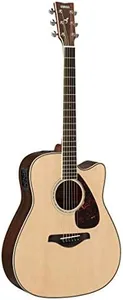
The Yamaha FGX830C Solid Top Cutaway Acoustic-Electric Guitar features a traditional Dreadnought body shape, which is well-known for providing a robust and full sound. The solid Sitka Spruce top combined with Rosewood back and sides ensures a well-rounded tone with good projection and clarity, making it suitable for a variety of playing styles. The Rosewood fingerboard and bridge add to the quality and playability of the instrument.

Rating
9.4
Scale Length

Most important from
92 reviews

Scale Length
The slightly shorter scale length makes it easier on the fingers, providing fingerstyle clarity and comfort.
#3
9.1 score

Taylor Taylor 224ce-K DLX Grand Auditorium Acoustic-electric Guitar - Tobacco
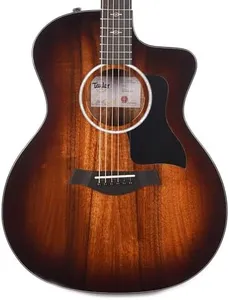
The Taylor 224ce-K DLX Grand Auditorium Acoustic-electric Guitar stands out in the acoustic-electric guitar category, particularly for musicians looking for a blend of elegant design and quality sound. Its solid Koa top gives it a beautiful aesthetic and enhances tonal clarity, making it perfect for both strumming and fingerstyle playing. The layered Koa back and sides add warmth to the overall tone, while the mahogany neck provides a comfortable grip, accommodating various playing styles.

Rating
9.1
Tonewood
Electronics
Body Shape

Most important from
4 reviews

Tonewood
Exquisite mahogany craftsmanship delivers a stunning visual and rich, full-bodied sound.
Electronics
The ES2 electronics system ensures excellent amplified sound quality for live settings.
Body Shape
Balances elegant design with tonal clarity, making it perfect for both strumming and fingerstyle.

Top 10 Best Acoustic Electric Guitars 2026 in the United States
#1

Winner

10.0  score

Yamaha FGX800C Solid Top Cutaway Acoustic-Electric Guitar, Dreadnought

Body Shape: Dreadnought
Tonewood: Sitka spruce top, Nato back/sides
Electronics: System 66 with piezo pickup, 3-band EQ
Neck Profile: Thick
Cutaway: Yes

Chosen by 1112 this week

Yamaha FGX830C Solid Top Cutaway Acoustic-Electric Guitar, Natural

Body Shape: Dreadnought
Tonewood: Solid Sitka Spruce, Rosewood back/sides
Electronics: System 66 preamp, 3-band EQ
Scale Length: 634 millimeters
Cutaway: Yes

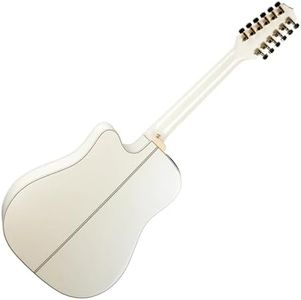
Takamine GD-37CE PW 12-string Acoustic-electric Guitar - Pearl White
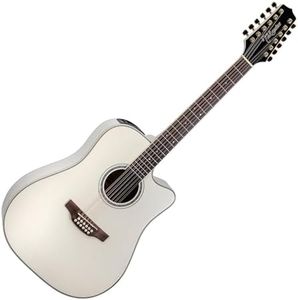
Body Shape: Dreadnought Cutaway
Tonewood: Spruce top, Maple back, Mahogany neck
Electronics: Acoustic-electric
Neck Profile: Mahogany neck
Scale Length: 46.9 Inches
Cutaway: Yes

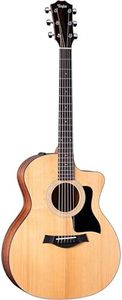
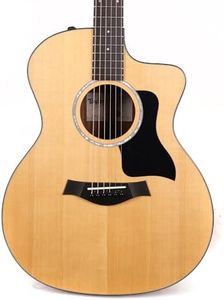
Taylor 114ce

Body Shape: Grand Auditorium
Tonewood: Spruce top, Sapele back and sides
Electronics: Yes
Cutaway: Yes

Taylor 214ce Plus Acoustic-electric Guitar - Natural
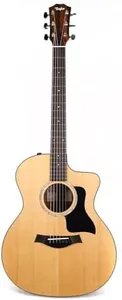
Body Shape: Cutaway
Tonewood: Treated Spruce, Rosewood, Ebony
Electronics: Amplification, 9V battery
Neck Profile: Sturdy, comfortable playing
Cutaway: Yes

Yamaha APX600 VW Thin Body Acoustic-Electric Guitar, Vintage White
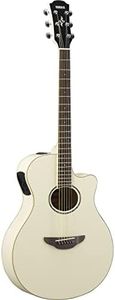
Body Shape: Thin body with cutaway
Tonewood: Spruce top, Mahogany back & neck
Electronics: Piezo pickup system
Scale Length: 25 inches
Cutaway: Yes
How do we rank products for you?

Our technology thoroughly searches through the online shopping world, reviewing hundreds of sites. We then process and analyze this information, updating in real-time to bring you the latest top-rated products. This way, you always get the best and most current options available.

headphones-stars

Buying Guide for the Best Acoustic Electric Guitars

Choosing the right acoustic-electric guitar can be a rewarding experience, as it allows you to enjoy the rich, natural sound of an acoustic guitar with the added benefit of amplification. To find the best fit for you, it's important to consider several key specifications that will influence the guitar's sound, playability, and overall performance. Understanding these specs will help you make an informed decision based on your personal preferences and playing style.
Body ShapeThe body shape of an acoustic-electric guitar affects its sound and comfort. Common shapes include dreadnought, concert, and jumbo. Dreadnoughts offer a balanced tone with strong bass, making them versatile for various music styles. Concert guitars are smaller and more comfortable to play, with a brighter tone suitable for fingerpicking. Jumbo guitars have a larger body, producing a louder and fuller sound, ideal for strumming. Choose a body shape that feels comfortable to hold and suits your playing style.
TonewoodTonewood refers to the type of wood used in the construction of the guitar, which significantly impacts its sound. Common tonewoods include spruce, mahogany, and rosewood. Spruce is known for its bright and clear tone, making it a popular choice for the top of the guitar. Mahogany offers a warm and rich sound, often used for the back and sides. Rosewood provides a deep and resonant tone, also commonly used for the back and sides. Consider the tonal qualities you prefer and choose a guitar with tonewoods that match your desired sound.
ElectronicsThe electronics in an acoustic-electric guitar allow you to amplify its sound. This typically includes a pickup and a preamp system. Pickups can be piezo, magnetic, or microphone-based, each offering different sound characteristics. Preamp systems often come with built-in equalizers and tuners for added convenience. If you plan to perform live or record, look for a guitar with high-quality electronics that provide a natural and clear amplified sound. Test the electronics to ensure they meet your needs and preferences.
Neck ProfileThe neck profile refers to the shape and thickness of the guitar's neck, affecting playability and comfort. Common profiles include C-shaped, V-shaped, and U-shaped. C-shaped necks are rounded and comfortable for most players, making them a popular choice. V-shaped necks have a more pronounced ridge, which some players find easier for thumb-over playing. U-shaped necks are thicker and provide a solid grip, suitable for players with larger hands. Choose a neck profile that feels comfortable in your hand and suits your playing style.
Scale LengthScale length is the distance between the nut and the bridge of the guitar, influencing string tension and playability. Common scale lengths range from 24.75 inches to 25.5 inches. Shorter scale lengths (around 24.75 inches) result in lower string tension, making the guitar easier to play and bend notes. Longer scale lengths (around 25.5 inches) provide higher string tension, offering a brighter tone and more defined notes. Consider your playing style and comfort when choosing a scale length that suits you.
CutawayA cutaway is a design feature that allows easier access to the higher frets on the guitar's neck. There are two main types: single cutaway and double cutaway. Single cutaways have one side of the body cut away, while double cutaways have both sides cut away. If you frequently play solos or need access to higher frets, a cutaway design can be beneficial. However, if you primarily play rhythm or do not require access to higher frets, a non-cutaway guitar may be more suitable.

FAQ