We Use CookiesWe use cookies to enhance the security, performance, functionality and for analytical and promotional activities. By continuing to browse this site you are agreeing to our privacy policy

10 Best Bookshelf Speakers 2026 in the United States
#1

Winner

10.0 score

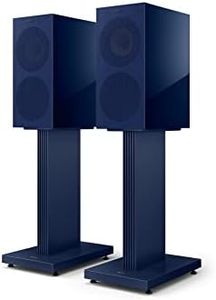
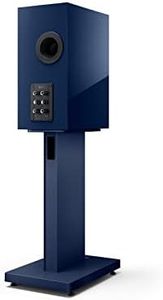
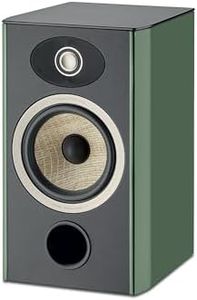
KEF R3 Meta (Walnut, Pair)

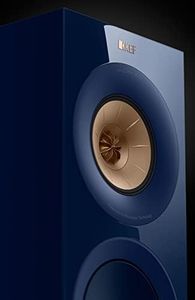
The KEF R3 Meta bookshelf speakers stand out in their category, delivering impressive audio performance thanks to their advanced technology. With a frequency response range of 58Hz to 28kHz, they cover a broad spectrum of sound, making them suitable for music enthusiasts and home theater setups alike. The inclusion of KEF's 12th generation Uni-Q driver array, combined with Meta Material Absorption technology, ensures a cleaner and more accurate sound by absorbing unwanted noise, which enhances the listening experience.

Rating
10.0
Chosen by1,227
Frequency Response
Power Handling

Most important from
12 reviews

Frequency Response
The frequency balance and precision make these speakers suitable for various music genres, from jazz to rock and classical.
Power Handling
When paired with a powerful amplifier, the R3 Metas sound fantastic, even with genres like EDM and Lofi.
#2
8.8 score

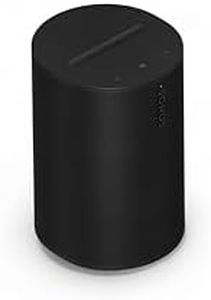
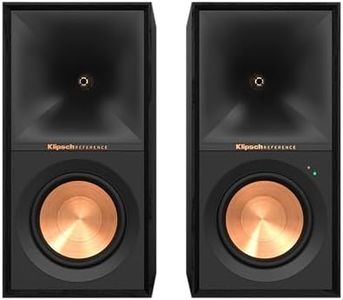
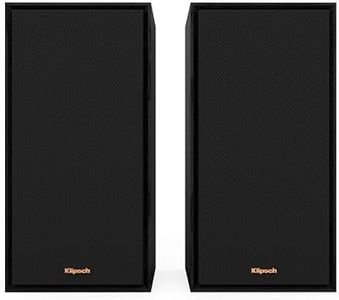
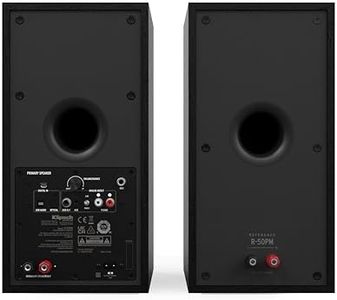
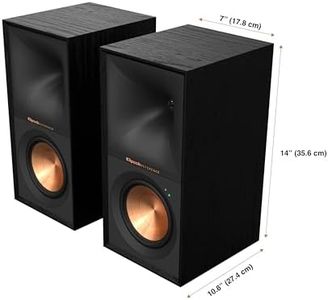
Klipsch R-51PM Powered Bluetooth Speaker,Black

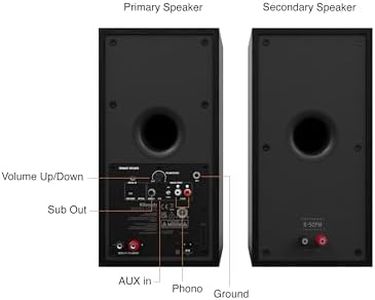
The Klipsch R-51PM Powered Bluetooth Speaker is a solid choice for anyone looking for bookshelf speakers that deliver great sound and versatility. One of its biggest strengths is the built-in amplification, meaning you don’t need a separate receiver or amplifier; just plug it in and you're ready to go. With a frequency response of up to 21 kHz, it can reproduce a wide range of sounds, ensuring that music and movies come to life with clear highs and decent lows. The 120 Watts of maximum output power means it can fill a room with sound, making it suitable for both casual listening and more immersive experiences.

Rating
8.8
Frequency Response
Cabinet Design

Most important from
2520 reviews

Frequency Response
Phenomenal bass response, almost like having a subwoofer in the room.
Cabinet Design
The compact and stylish design fits well in any room.
#3
8.8 score

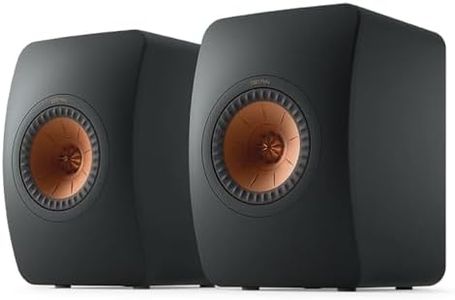
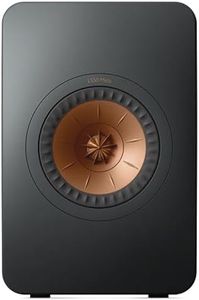
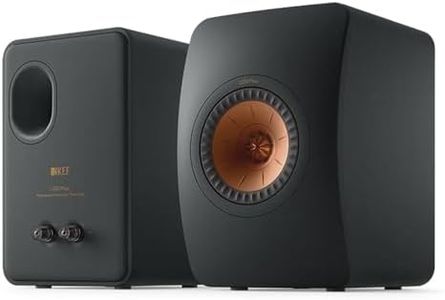
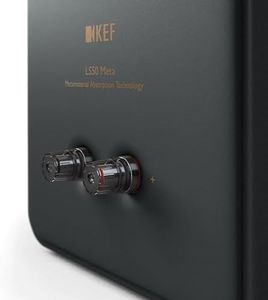
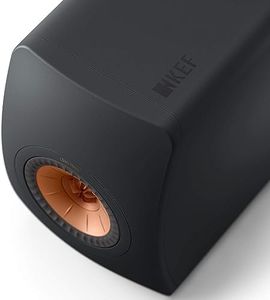
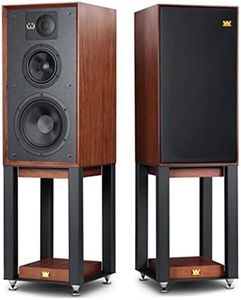
KEF LS50 Meta Passive Bookshelf Speakers - Pair (Carbon Black)

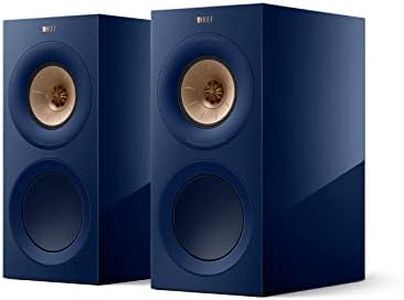
The KEF LS50 Meta Passive Bookshelf Speakers in Carbon Black are a sophisticated option for those who value high-quality audio for home entertainment or high-fidelity listening. One of their standout features is the Metamaterial Absorption Technology (MAT), which significantly reduces unwanted sound from the rear of the driver, enhancing sound clarity. Another highlight is the 12th Generation Uni-Q Driver, which improves sound smoothness by 40%, resulting in less distortion and clearer audio output.

Top 10 Best Bookshelf Speakers 2026 in the United States

#1

Winner

10.0  score

KEF R3 Meta (Walnut, Pair)

Frequency Response: 58Hz to 28kHz
Impedance: 4 Ohm
Power Handling: 100 Watts
Driver Size and Type: 6.5-inch hybrid aluminum driver

Chosen by 1227 this week

Klipsch R-51PM Powered Bluetooth Speaker,Black

Frequency Response: 21 KHz
Power Handling: 120 Watts
Driver Size and Type: 5.25 Inches, Dynamic
Cabinet Design: Black

KEF LS50 Meta Passive Bookshelf Speakers - Pair (Carbon Black)

Frequency Response: 47 Hz to 45 kHz
Sensitivity: 85 dB
Impedance: 8 Ohms
Power Handling: 100 Watts
Driver Size and Type: 12th Gen Uni-Q Driver
Cabinet Design: Functional, aesthetically pleasing, multiple finishes

KEF LSX II Wireless HiFi Speaker System (Carbon Black)

Frequency Response: 54 Hz
Power Handling: 200 Watts
Driver Size: 4.5" woofer, 0.75" tweeter
Cabinet Design: Bookshelf

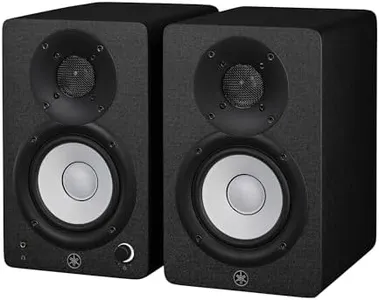
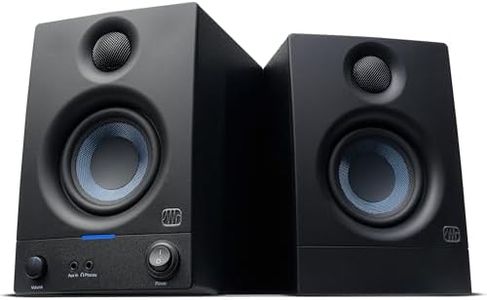
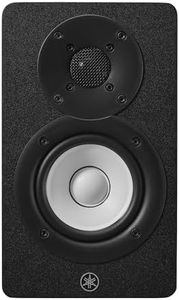
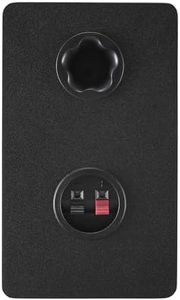
YAMAHA Hs5 Powered Studio Monitor, Pair

Frequency Response: 54 Hz to 30 kHz
Power Handling: 70 watts
Driver Size and Type: 5-inch woofer, 1-inch tweeter
Cabinet Design: Two-way bass reflex bi-amplified

KEF Q Concerto Meta Three-Way Bookshelf Speaker - Pair (White)

Impedance: 4 Ohm
Power Handling: 180 Watts
Driver Size and Type: 12th Gen Uni-Q driver
Cabinet Design: Minimalist design with satin finish

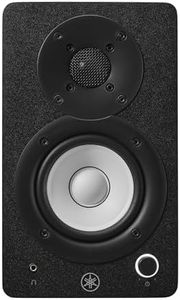
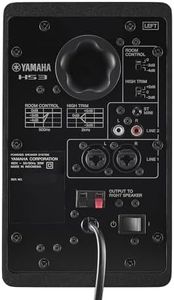
Yamaha HS3 Powered Studio Monitor in Black, Pair (HS3 B)
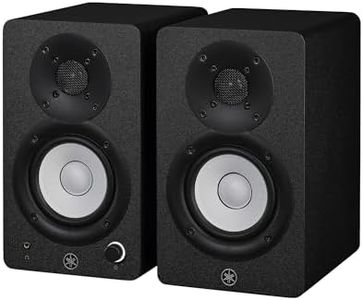
Frequency Response: 70 Hz to 22 kHz
Power Handling: 26 watts per speaker
Driver Size: 3.5-inch woofer, 0.75-inch tweeter
Cabinet Design: bass-reflex ports
How do we rank products for you?

Our technology thoroughly searches through the online shopping world, reviewing hundreds of sites. We then process and analyze this information, updating in real-time to bring you the latest top-rated products. This way, you always get the best and most current options available.

headphones-stars

Buying Guide for the Best Bookshelf Speakers

Choosing the right bookshelf speakers can greatly enhance your audio experience, whether you're listening to music, watching movies, or playing games. The key is to understand the various specifications and how they align with your needs and preferences. Here are some important specs to consider when selecting bookshelf speakers.
Frequency ResponseFrequency response refers to the range of sound that the speakers can reproduce, measured in Hertz (Hz). This spec is important because it determines how well the speakers can handle different types of audio, from deep bass to high treble. A wider frequency response range means the speakers can produce a more complete and accurate sound. Typically, a range of 20Hz to 20kHz is considered ideal for full-range audio. If you enjoy bass-heavy music, look for speakers with a lower minimum frequency. For general listening, a balanced range is usually sufficient.
SensitivitySensitivity measures how effectively the speakers convert power into sound, expressed in decibels (dB). This spec is important because it affects the loudness of the speakers at a given power level. Higher sensitivity means the speakers can produce louder sound with less power. Sensitivity ratings usually range from 85dB to 100dB. If you have a low-powered amplifier, look for speakers with higher sensitivity (90dB or above) to ensure adequate volume. For high-powered systems, sensitivity is less critical, but higher values can still provide better efficiency.
ImpedanceImpedance is the resistance the speakers provide to the electrical signal from the amplifier, measured in ohms. This spec is important because it affects the compatibility with your amplifier. Common impedance values are 4 ohms, 6 ohms, and 8 ohms. Most amplifiers are designed to work with 8-ohm speakers, but some can handle lower impedance. If you have a standard amplifier, 8-ohm speakers are a safe choice. If your amplifier supports lower impedance, you can opt for 4 or 6-ohm speakers for potentially better performance.
Power HandlingPower handling indicates the maximum amount of power the speakers can handle, measured in watts. This spec is important because it ensures the speakers can operate safely without damage at high volumes. Power handling is usually divided into two values: RMS (continuous power) and peak (maximum power). If you like to play your music loud, look for speakers with higher power handling, especially RMS values. For casual listening, lower power handling is usually sufficient.
Driver SizeDriver size refers to the diameter of the speaker's drivers, typically measured in inches. This spec is important because it influences the sound quality and the ability to reproduce different frequencies. Larger drivers (6-8 inches) can produce better bass and fuller sound, while smaller drivers (4-5 inches) are better for midrange and treble. If you prefer deep bass and powerful sound, opt for larger drivers. For a more balanced sound or if space is a concern, smaller drivers may be more suitable.
Cabinet DesignCabinet design refers to the construction and materials used for the speaker enclosure. This spec is important because it affects the sound quality and resonance. Solid, well-built cabinets with good internal bracing can reduce unwanted vibrations and improve sound clarity. Look for cabinets made from high-quality materials like MDF or wood. If aesthetics are important, consider the finish and design that matches your room decor. For optimal sound, prioritize sturdy construction over appearance.

FAQ