10 Best Fluke Multimeters 2026 in the United States
Winner
Fluke 789 ProcessMeter, Includes Standard DMM Capabilities, Measure, Source, Simulate 4-20 mA signals, and Built-In 24 V Loop Supply
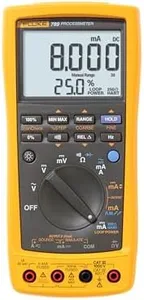
The Fluke 789 ProcessMeter is a solid choice for professionals who need a versatile tool for measuring and simulating 4-20 mA signals, especially in industrial settings. With a current measurement range of 0 to 30 mA DC and the inclusion of a built-in 24V loop supply, it provides the essential capabilities needed for process control applications. Its clear LCD display with a backlight enhances usability, making it easier to read measurements in various lighting conditions.
Fluke - FLUKE-1587 FC FLUKE 1587 FC 2-in-1 Insulation Multimeter
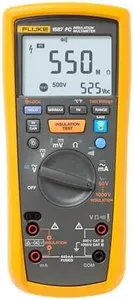
The Fluke 1587 FC 2-in-1 Insulation Multimeter is a versatile tool designed for both insulation testing and standard electrical measurements, making it suitable for electricians and technicians who need to troubleshoot electrical systems and conduct safety checks. One of its standout strengths is its accuracy and resolution, supported by True-RMS technology, which ensures precise readings even in non-linear loads. With selectable insulation test voltages up to 1000 V, it accommodates a wide range of applications, whether you're testing cables or motors.
Most important from
252 reviews
Fluke 117/323 Kit Multimeter and Clamp Meter Combo Kit For Residential And Commercial Electricians, AC/DC Voltage, AC Current 400 A, Includes Test Leads, TPAK And Carrying Case
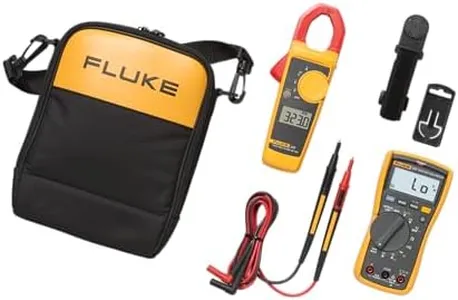
The Fluke 117/323 Kit offers a dependable solution for both residential and commercial electricians. The kit includes both a multimeter and a clamp meter, providing versatility in measuring both AC and DC voltage and current. One of the standout features is the true RMS capability, available in both devices, ensuring precise measurements even in complex electrical environments with non-linear loads. This trait is highly beneficial for professionals who require reliable readings to diagnose and solve electrical issues effectively.
Top 10 Best Fluke Multimeters 2026 in the United States
Winner
Fluke 789 ProcessMeter, Includes Standard DMM Capabilities, Measure, Source, Simulate 4-20 mA signals, and Built-In 24 V Loop Supply


Fluke 789 ProcessMeter, Includes Standard DMM Capabilities, Measure, Source, Simulate 4-20 mA signals, and Built-In 24 V Loop Supply
Chosen by 1238 this week
Fluke - FLUKE-1587 FC FLUKE 1587 FC 2-in-1 Insulation Multimeter

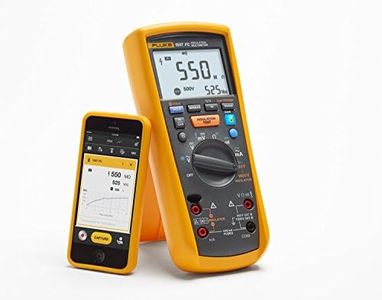


Fluke - FLUKE-1587 FC FLUKE 1587 FC 2-in-1 Insulation Multimeter
Fluke 117/323 Kit Multimeter and Clamp Meter Combo Kit For Residential And Commercial Electricians, AC/DC Voltage, AC Current 400 A, Includes Test Leads, TPAK And Carrying Case


Fluke 117/323 Kit Multimeter and Clamp Meter Combo Kit For Residential And Commercial Electricians, AC/DC Voltage, AC Current 400 A, Includes Test Leads, TPAK And Carrying Case
Fluke 87V Industrial Digital Multimeter, for Advanced Troubleshooting, Measures 1000 V AC/DC, Peak Min/Max, Low Pass Filter, Includes TL75 Test Leads, AC175 Alligator Clips, 80BK Temp Probe
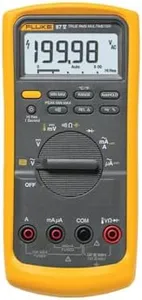


Fluke 87V Industrial Digital Multimeter, for Advanced Troubleshooting, Measures 1000 V AC/DC, Peak Min/Max, Low Pass Filter, Includes TL75 Test Leads, AC175 Alligator Clips, 80BK Temp Probe
Fluke 117 Digital Multimeter, Non-Contact AC Voltage Detection, Measures Resistance/Continuity/Frequency/Capacitance/Min Max Average, Automatic AC/DC Selection, Low Impedance Mode
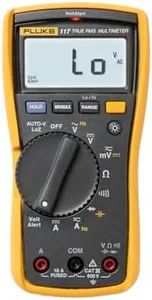


Fluke 117 Digital Multimeter, Non-Contact AC Voltage Detection, Measures Resistance/Continuity/Frequency/Capacitance/Min Max Average, Automatic AC/DC Selection, Low Impedance Mode
Related Products
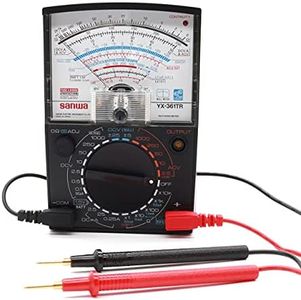
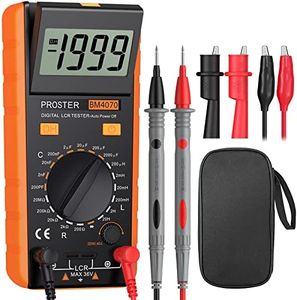
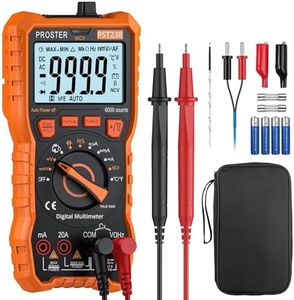
Fluke 87V MAX/E2 KIT True-rms Digital Multimeter Combo Kit

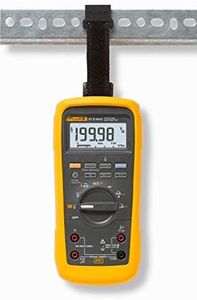
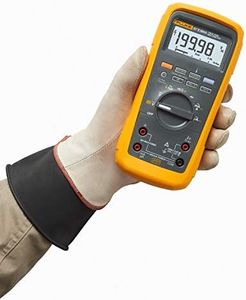

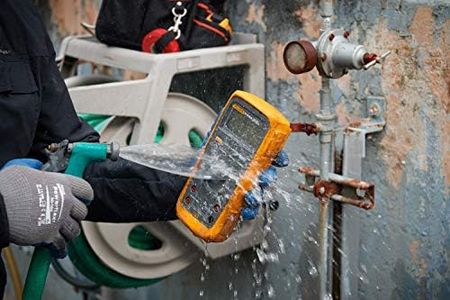
Fluke 87V MAX/E2 KIT True-rms Digital Multimeter Combo Kit
Fluke 88V Deluxe Automotive Multimeter, Troubleshoot Problems on Conventional and Hybrid Vehicles, Measures Pulse Width, and Duty Cycle
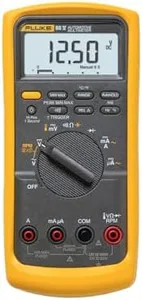
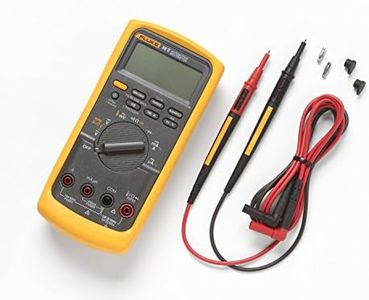
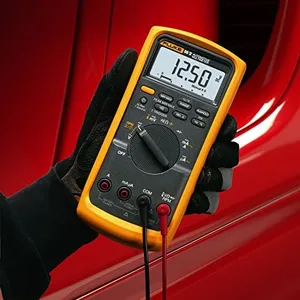


Fluke 88V Deluxe Automotive Multimeter, Troubleshoot Problems on Conventional and Hybrid Vehicles, Measures Pulse Width, and Duty Cycle
Fluke 787B ProcessMeter
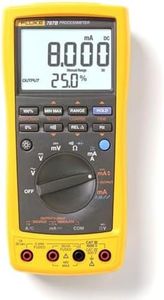
Fluke 787B ProcessMeter
Fluke 87V MAX True-RMS Digital Multimeter, Rugged, Waterproof and Dustproof IP67 Rated, Up to 800 Hour Battery Capacity, Built-In Thermometer, Withstands Drops Up To 13 Feet, Includes TL175 Test Leads
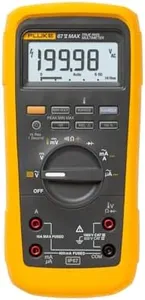


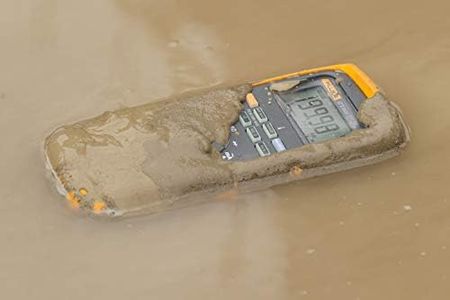
Fluke 87V MAX True-RMS Digital Multimeter, Rugged, Waterproof and Dustproof IP67 Rated, Up to 800 Hour Battery Capacity, Built-In Thermometer, Withstands Drops Up To 13 Feet, Includes TL175 Test Leads
Fluke T5-600 Electrical Voltage, Continuity and Current Tester, Measures AC Current Up to 100 A Without Contact, Automatically Select AC/DC for Tests, Includes Detachable SlimReach Probe Tip
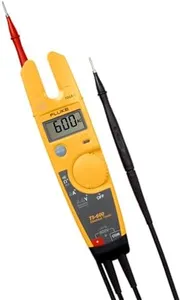


Fluke T5-600 Electrical Voltage, Continuity and Current Tester, Measures AC Current Up to 100 A Without Contact, Automatically Select AC/DC for Tests, Includes Detachable SlimReach Probe Tip
Recommended lists

Multimeters
Our technology thoroughly searches through the online shopping world, reviewing hundreds of sites. We then process and analyze this information, updating in real-time to bring you the latest top-rated products. This way, you always get the best and most current options available.
