We Use CookiesWe use cookies to enhance the security, performance, functionality and for analytical and promotional activities. By continuing to browse this site you are agreeing to our privacy policy

10 Best Guitar Compressor Pedal 2026 in the United States

#1

Winner

10.0 score

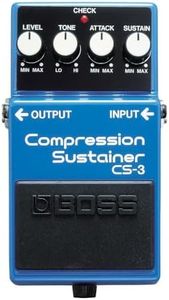
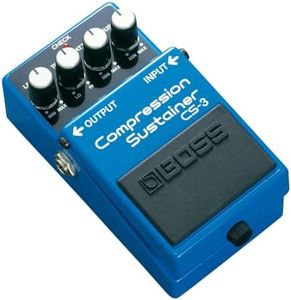
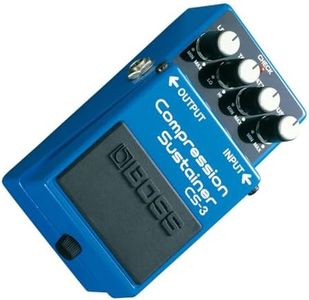
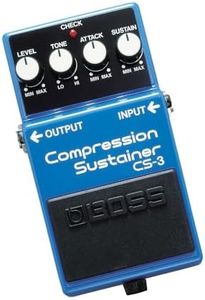
Boss CS-3 Compressor/Sustainer Pedal

The Boss CS-3 Compressor/Sustainer Pedal is designed to offer guitarists enhanced sustain and precise tonal control. One of its strengths is its low-noise design, ensuring quiet operation without unwanted hiss or hum, which is essential for clean and professional sound. The pedal comes with Level, Tone, Attack, and Sustain controls, allowing you to shape your sound with high precision. This makes it versatile for different musical styles and preferences, which is a big plus if you play various genres or like to experiment with your sound.

#2
8.5 score

Keeley Compressor Plus Waves Limited Edition
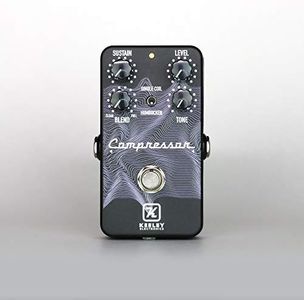
The Keeley Compressor Plus Waves Limited Edition offers a variety of features that can appeal to both novice and experienced guitarists. The compression ratio can be adjusted, allowing for flexibility in the amount of compression applied. With attack and release controls, users can finely tune how quickly the effect kicks in and fades out, which is crucial for maintaining the desired tone and dynamics of their playing.

#3
8.5 score

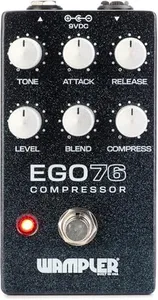
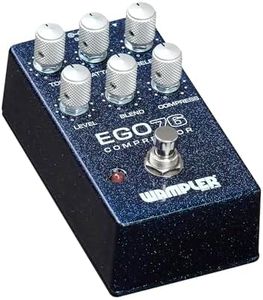
Wampler EGO 76 Compressor

The Wampler EGO 76 Compressor is a tribute to the iconic 1176 Peak Limiter, designed to give you studio-grade compression in a compact pedal. With its attack and release knobs, you have detailed control over the compression parameters, which is usually a feature found in high-end studio gear. This makes it ideal for musicians who want precise manipulation of their sound on stage or in the studio.

Rating
8.5
Tone Control
Size and Power Requirements

Most important from
27 reviews

Tone Control
This compressor is as transparent or as squishy as you want it to be, all with a clear sound.
Size and Power Requirements
Solid build, has the necessary knobs and features.

Top 10 Best Guitar Compressor Pedal 2026 in the United States

#1

Winner

10.0  score

Boss CS-3 Compressor/Sustainer Pedal
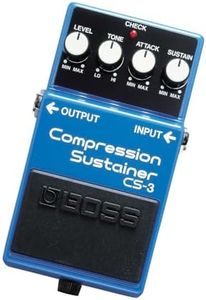
Attack and Release Controls: Attack
Tone Control: Tone
True Bypass: Yes
Size and Power Requirements: 6 x 3.75 x 2.7 in, 9V

Chosen by 1140 this week

Keeley Compressor Plus Waves Limited Edition

Compression Ratio: adjustable
Attack and Release Controls: yes
Threshold: yes
Tone Control: yes
True Bypass: yes
Size and Power Requirements: 5 x 3 x 3 inches, 9V, 10mA

Wampler EGO 76 Compressor

Attack and Release Controls: Yes
Tone Control: Yes
True Bypass: Yes
Size and Power Requirements: 4.5x2.5x1.5 inches, 9V

Keeley Compressor Pro Pedal

Attack and Release Controls: Auto Mode
Threshold: LED Indicator
Size and Power Requirements: 4x6x3 inches, 9V battery

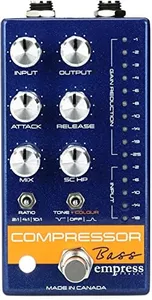
Empress Bass Compressor Pedal - Blue

Compression Ratio: three different ratios
Attack and Release Controls: yes
Tone Control: yes
True Bypass: yes
Size and Power Requirements: 9V, 100mA, 10.88x8.5x6 inches

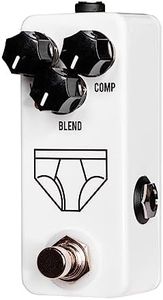
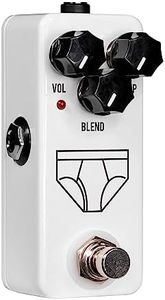
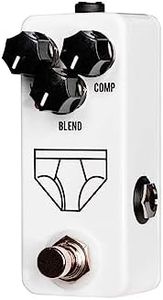
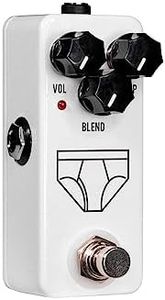
JHS Pedals JHS Whitey Tighty Compressor Guitar Effects Pedal
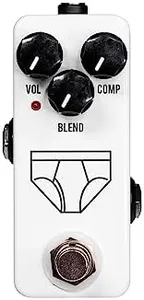
Attack and Release Controls: no dedicated controls
True Bypass: true bypass
Size and Power Requirements: 6x4x3 inches, 9V

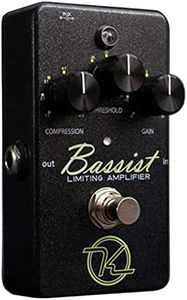
Bassist Bass Compressor pedal Compressor Guitar Effects Pedal
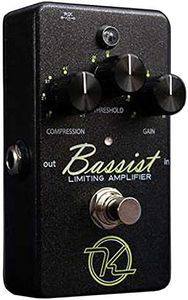
Compression Ratio: manage dynamics effectively
Attack and Release Controls: Yes
Threshold: Yes
Tone Control: Yes
True Bypass: Yes
Size and Power Requirements: 10 x 7 x 6 inches, 9V, 30mA

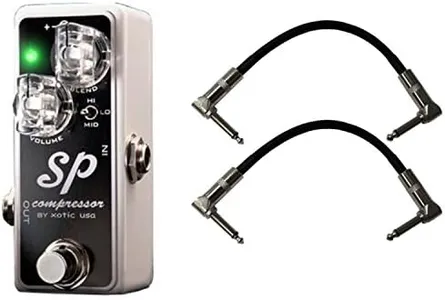
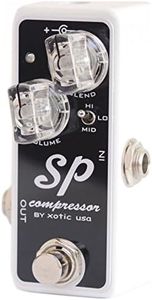
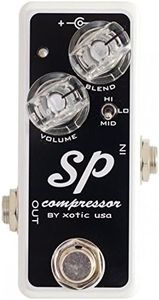
Xotic SP Compressor w/ 2 Cables

True Bypass: True Bypass
Size and Power Requirements: 3x8x10 inches, 9V supply
How do we rank products for you?

Our technology thoroughly searches through the online shopping world, reviewing hundreds of sites. We then process and analyze this information, updating in real-time to bring you the latest top-rated products. This way, you always get the best and most current options available.

headphones-stars

Buying Guide for the Best Guitar Compressor Pedal

Choosing the right guitar compressor pedal can significantly enhance your playing experience by balancing your sound and adding sustain. A compressor pedal works by evening out the dynamic range of your guitar signal, making quiet notes louder and loud notes quieter. This can help you achieve a more polished and professional sound. When selecting a compressor pedal, it's important to consider several key specifications to ensure you get the best fit for your playing style and needs.
Compression RatioThe compression ratio determines how much the signal is compressed. A lower ratio (e.g., 2:1) means less compression, which is suitable for subtle effects and maintaining a natural sound. Higher ratios (e.g., 10:1) provide more compression, which can be useful for achieving a heavily compressed, punchy sound. If you play genres like country or funk, you might prefer a higher ratio for that signature 'squish' effect. For more dynamic playing styles, a lower ratio might be more appropriate.
Attack and Release ControlsAttack and release controls allow you to adjust how quickly the compressor responds to your playing. The attack control sets how fast the compressor kicks in after a note is played, while the release control determines how quickly the compression effect fades away. Faster attack times can help tame sharp transients, making your playing smoother. Slower attack times can let the initial pick attack through for a more natural sound. Similarly, a faster release can make the compression effect less noticeable, while a slower release can add sustain. Consider your playing style and whether you need more control over these parameters.
ThresholdThe threshold is the level at which the compressor starts to work. Signals below this level are unaffected, while signals above it are compressed. A lower threshold means more of your signal will be compressed, which can be useful for evening out your playing. A higher threshold will only compress the loudest parts of your signal, preserving more of your natural dynamics. If you want a subtle effect, choose a higher threshold. For a more pronounced compression, go for a lower threshold.
Tone ControlSome compressor pedals come with a tone control, which allows you to adjust the tonal balance of the compressed signal. This can be useful for compensating for any loss of high-end frequencies that can occur with compression. If you find that your compressed signal sounds dull or lacks clarity, a tone control can help you brighten it up. Consider whether you need this feature based on your guitar and amp setup, as well as your personal preference for tone.
True BypassTrue bypass is a feature that ensures your signal remains unaffected when the pedal is turned off. This is important for maintaining the integrity of your guitar's tone, especially if you use multiple pedals in your signal chain. If preserving your original tone is a priority, look for a compressor pedal with true bypass. However, if you don't mind a slight alteration in your tone when the pedal is off, this feature may be less critical.
Size and Power RequirementsThe physical size of the pedal and its power requirements are practical considerations. Smaller pedals can save space on your pedalboard, but may have fewer features or controls. Larger pedals might offer more options but take up more room. Additionally, check the power requirements to ensure compatibility with your existing power supply. Consider the space available on your pedalboard and your power setup when choosing a compressor pedal.

FAQ