10 Best Japanese Chef Knives 2026 in the United States
Winner
Shun Premier 6 Piece Block Set, Includes 8" Chef, 4" Paring, 5.5" Nakiri, 6.5" Utility Knives, Honing Steel & 8-Slot Angled Knife Block, Handcrafted Japanese Knife Set, Pakkawood Handles
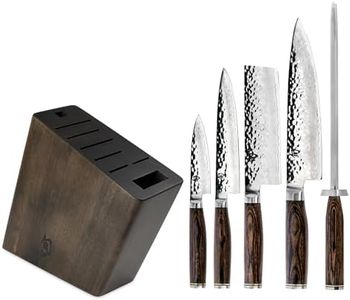
The Shun Premier 6 Piece Block Set is a well-crafted collection of Japanese-style kitchen knives designed for both home cooks and enthusiasts who appreciate quality tools. The blades are made from VG-MAX steel with 68 layers of Damascus cladding, known for their sharpness and durability. Each blade has a plain edge sharpened to a 16-degree angle, providing precise and clean cuts. The set includes an 8-inch chef’s knife, 5.5-inch Nakiri (vegetable knife), 6.5-inch utility knife, and 4-inch paring knife, covering a wide range of kitchen tasks. The hammered tsuchime finish on the blades reduces food sticking and adds a beautiful touch.
Most important from
17 reviews
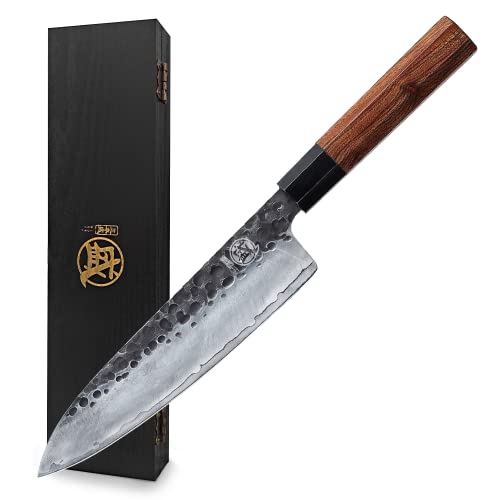
MITSUMOTO SAKARI Japanese Chef's Knife Set 4 Pcs, Professional Hand Forged Kitchen Chef Knife Set, High Carbon Ultra Sharp Cooking Chefs Knife Set (Rosewood Handle & Sandalwood Box)
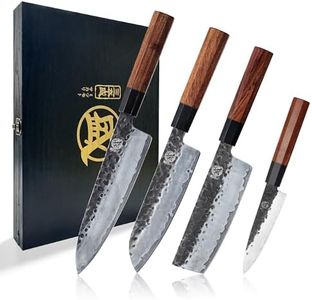
The MITSUMOTO SAKARI Japanese Chef's Knife Set is a professional-grade collection of four hand-forged knives that blend traditional Japanese craftsmanship with modern materials. The blades are made from high-carbon 9CR18MOV steel, known for its durability and sharpness, and treated to achieve a hardness of 58±2 HRC. This makes the knives excellent for precise cutting tasks, keeping fruits, vegetables, and meats in optimal condition. The blade length of 8 inches and a thin 2.5mm edge enhance its cutting efficiency.
Most important from
199 reviews
Matsato Chef Knife - Perfect Kitchen Knive for Cooking, Chopping. Japanese Steel Knife for Home, BBQ. For Balance & Control, 6.3 Inch
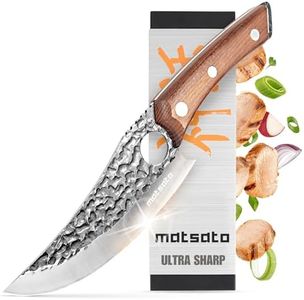
The Matsato Chef Knife is a versatile tool designed for both home cooks and professional chefs. Made from high-quality stainless steel, its blade is durable and sharp, promising not to dull or chip easily. The knife features a 6.2-inch blade that is suitable for various kitchen tasks, from chopping vegetables to slicing meats. Its solid oak handle ensures a firm grip and balanced control, making cutting safer and more comfortable.
Most important from
8105 reviews
Top 10 Best Japanese Chef Knives 2026 in the United States
Winner
Shun Premier 6 Piece Block Set, Includes 8" Chef, 4" Paring, 5.5" Nakiri, 6.5" Utility Knives, Honing Steel & 8-Slot Angled Knife Block, Handcrafted Japanese Knife Set, Pakkawood Handles
Shun Premier 6 Piece Block Set, Includes 8" Chef, 4" Paring, 5.5" Nakiri, 6.5" Utility Knives, Honing Steel & 8-Slot Angled Knife Block, Handcrafted Japanese Knife Set, Pakkawood Handles
Chosen by 1172 this week
MITSUMOTO SAKARI Japanese Chef's Knife Set 4 Pcs, Professional Hand Forged Kitchen Chef Knife Set, High Carbon Ultra Sharp Cooking Chefs Knife Set (Rosewood Handle & Sandalwood Box)


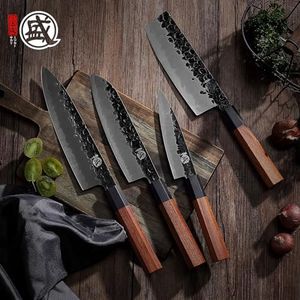
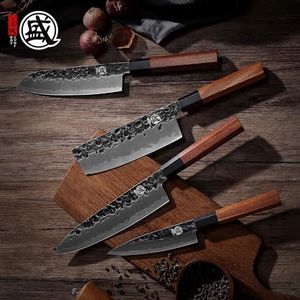
MITSUMOTO SAKARI Japanese Chef's Knife Set 4 Pcs, Professional Hand Forged Kitchen Chef Knife Set, High Carbon Ultra Sharp Cooking Chefs Knife Set (Rosewood Handle & Sandalwood Box)
Matsato Chef Knife - Perfect Kitchen Knive for Cooking, Chopping. Japanese Steel Knife for Home, BBQ. For Balance & Control, 6.3 Inch


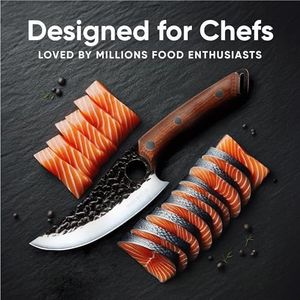
Matsato Chef Knife - Perfect Kitchen Knive for Cooking, Chopping. Japanese Steel Knife for Home, BBQ. For Balance & Control, 6.3 Inch
Shun Cutlery Premier Chef's Knife 8”, Thin, Light Kitchen Knife, Ideal for All-Around Food Preparation, Authentic, Handcrafted Japanese Knife, Professional Chef Knife
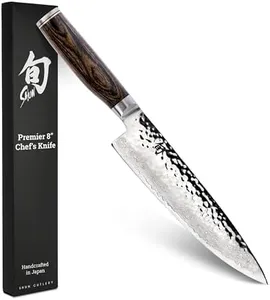

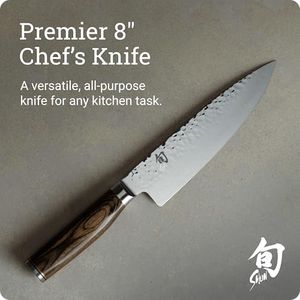
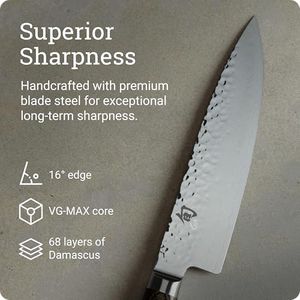
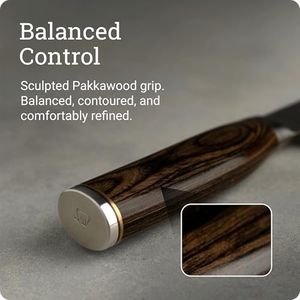
Shun Cutlery Premier Chef's Knife 8”, Thin, Light Kitchen Knife, Ideal for All-Around Food Preparation, Authentic, Handcrafted Japanese Knife, Professional Chef Knife
Shun Classic 8" Chef's Knife
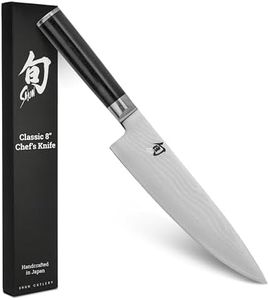
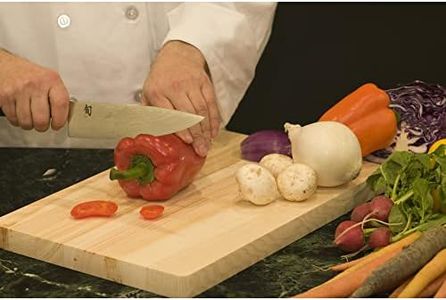
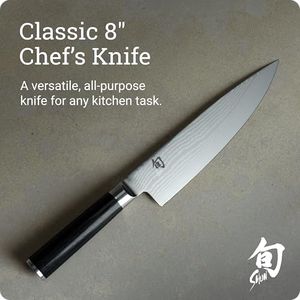
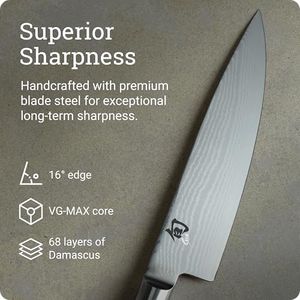
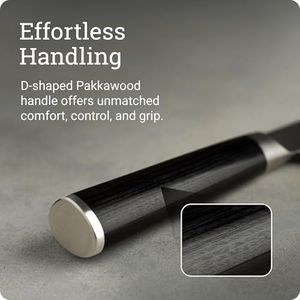
Shun Classic 8" Chef's Knife
Related Products
Up to 13% off
Shun Shiranami 8" Chef's Knife
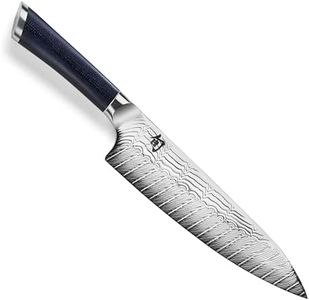
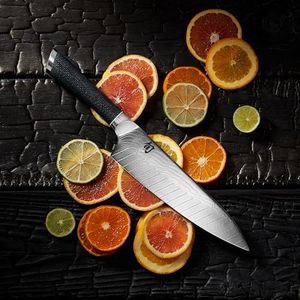
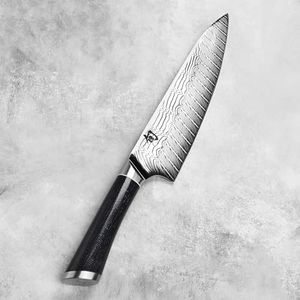
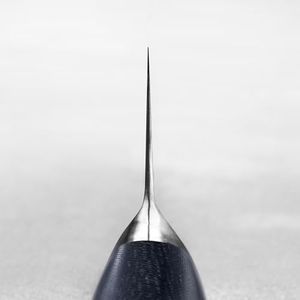
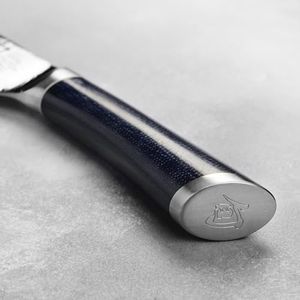
Shun Shiranami 8" Chef's Knife
Shun Premier Blonde 8" Chef's Knife, Handcrafted Japanese Kitchen Knife for Professional and Home Chefs, VG-MAX Core with Damascus Stainless Steel Cladding, Pakkawood Handle
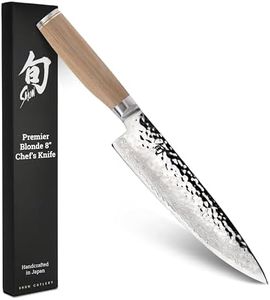
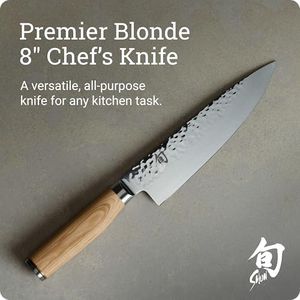
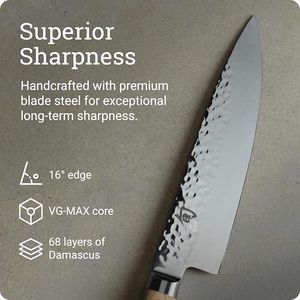
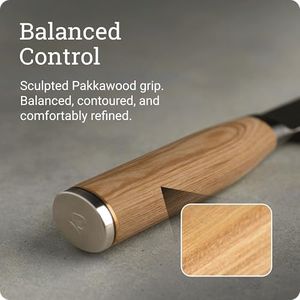
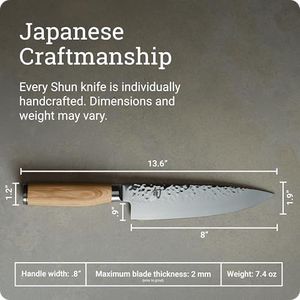
Shun Premier Blonde 8" Chef's Knife, Handcrafted Japanese Kitchen Knife for Professional and Home Chefs, VG-MAX Core with Damascus Stainless Steel Cladding, Pakkawood Handle
Shun Classic 10" Chef's Knife
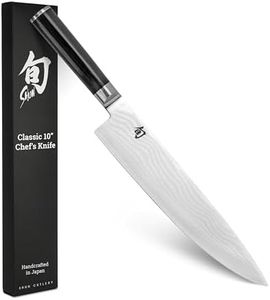

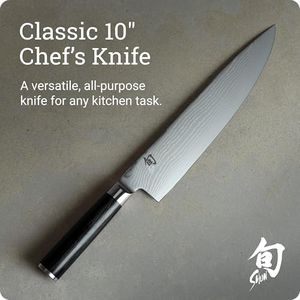
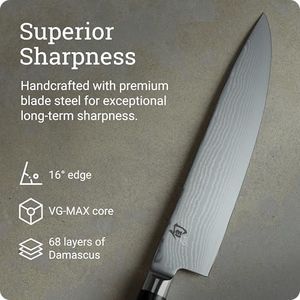
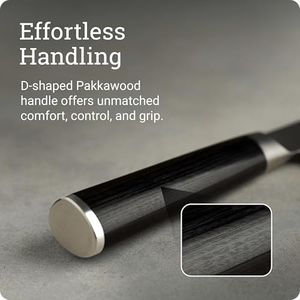
Shun Classic 10" Chef's Knife
Shun Premier 10" Chef's Knife
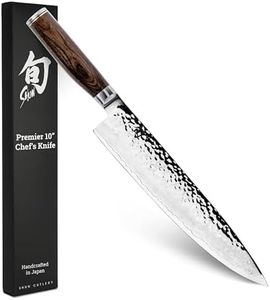
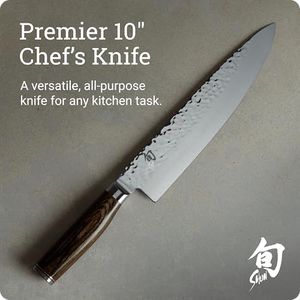
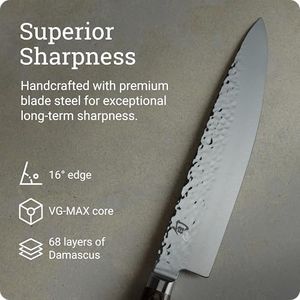
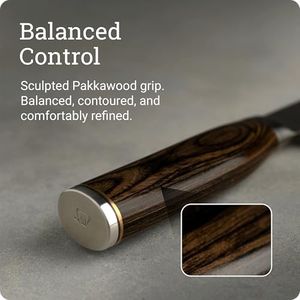
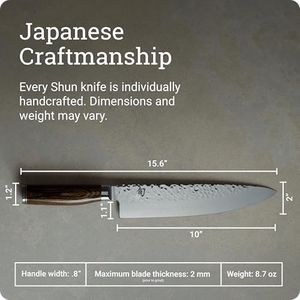
Shun Premier 10" Chef's Knife
Shun Classic Blonde 6" Chef's Knife, Handcrafted Japanese Kitchen Knife for Professional and Home Chefs, VG-MAX Core with Damascus Stainless Steel Cladding, Pakkawood Handle
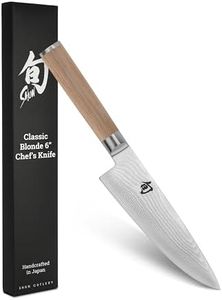
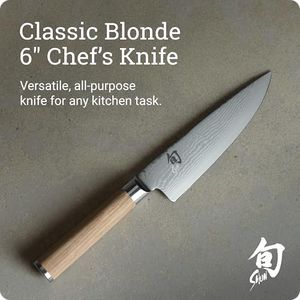
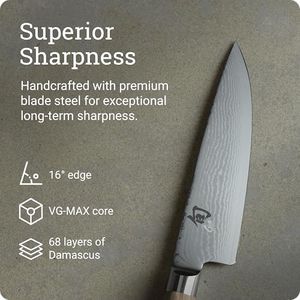
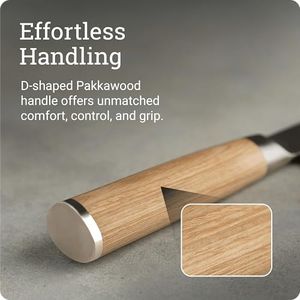
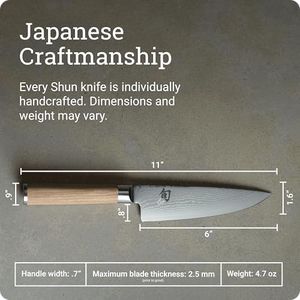
Shun Classic Blonde 6" Chef's Knife, Handcrafted Japanese Kitchen Knife for Professional and Home Chefs, VG-MAX Core with Damascus Stainless Steel Cladding, Pakkawood Handle

Our technology thoroughly searches through the online shopping world, reviewing hundreds of sites. We then process and analyze this information, updating in real-time to bring you the latest top-rated products. This way, you always get the best and most current options available.
