We Use CookiesWe use cookies to enhance the security, performance, functionality and for analytical and promotional activities. By continuing to browse this site you are agreeing to our privacy policy

10 Best Keyboard Amplifiers 2026 in the United States

#1

Winner

10.0 score

Roland 4-channel Stereo Mixing Keyboard Amplifier, 320 watt (160W+160W) (KC-990)
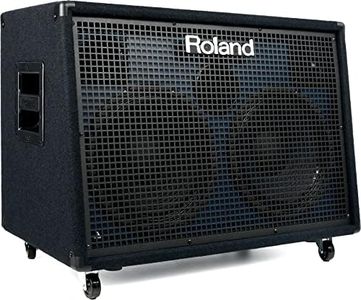
The Roland KC-990 is a powerful keyboard amplifier designed for serious musicians who need clear, rich sound and plenty of input options. With 320 watts of stereo power (160W per channel) and two custom 12-inch woofers plus horn tweeters, it delivers strong, full-range audio suitable for both practice and live performance. The built-in 4-channel mixer and master EQ let you fine-tune your sound easily, while the onboard effects like reverb, chorus, tremolo, and rotary add useful creative options without extra gear. It also supports external footswitches to control effects hands-free.

Rating
10.0
Chosen by1,320
Power Output
Inputs and Outputs
Portability

Most important from
14 reviews

Power Output
The amplifier delivers amazing sound quality with rich, lifelike clarity that stands out in any setting.
Inputs and Outputs
Built-in effects and flexible inputs enhance creative possibilities without needing extra gear.
Portability
Durability and thoughtful design features support regular gigging, although the unit's weight suggests it's best for stationary use.
Built-in Effects
Built-in effects and flexible inputs enhance creative possibilities without needing extra gear.
#2
9.7 score

Roland 4-Channel Mixing Keyboard Amplifier, 100 watt (KC-200)
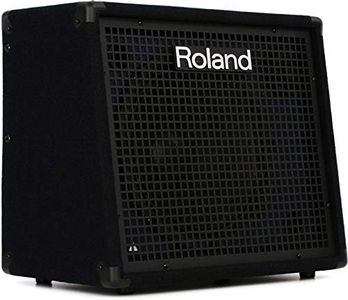
The Roland KC-200 is a solid option for musicians seeking a reliable keyboard amplifier. With a power output of 100 watts, it is capable of delivering a good sound level for both practice and performance settings. One of its standout features is the custom two-way speaker system, which includes a well-designed 12-inch woofer and tweeter that enhance bass response, making it suitable for various musical genres.

#3
9.4 score

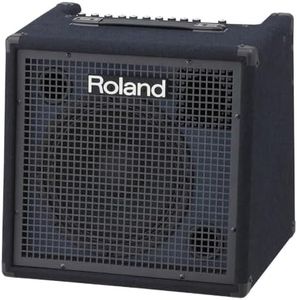
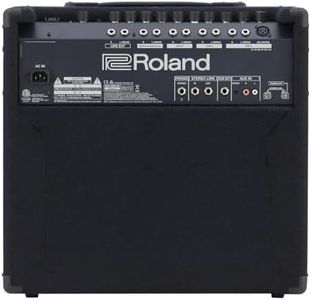
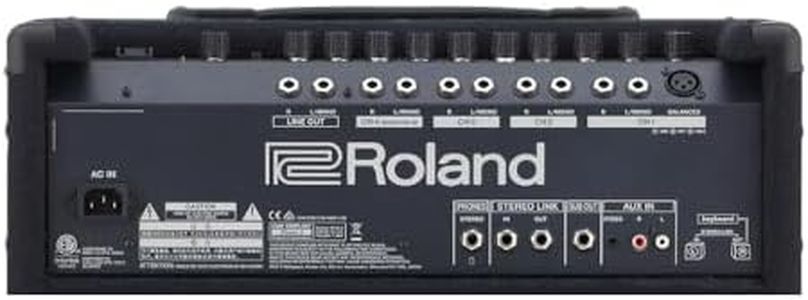
Roland KC-400 4 Channel Stereo Mixing Keyboard Amplifier, 150 Watt (KC-400)
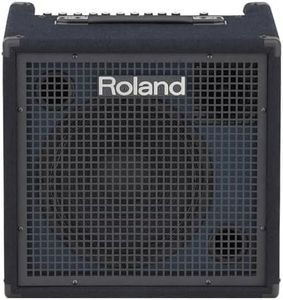
The Roland KC-400 is a robust option for keyboard players needing a reliable amplifier with considerable power. With 150 watts of output, this compact unit can manage both practice sessions and performances without compromising sound quality. The redesigned power amp and universal power supply offer improved stability and bass reproduction, while reducing weight—though at 54 pounds, it's not the lightest option around.

Rating
9.4
Power Output
Inputs and Outputs
Equalization (EQ) Controls

Most important from
39 reviews

Power Output
The Roland KC-400 delivers powerful sound and intense bass response, making it a satisfying choice for keyboard amplification.
Inputs and Outputs
Versatile connectivity options allow seamless integration with sub-woofers, mixing systems, microphones, and more.
Equalization (EQ) Controls
While the sound quality is commendable, the tone controls might not meet everyone's needs, necessitating an additional equalizer for some setups.
Portability
Its robust build ensures durability, but at 54 pounds, it is a bit heavy, prompting some users to add casters for easier transport.

Top 10 Best Keyboard Amplifiers 2026 in the United States
#1

Winner

10.0  score

Roland 4-channel Stereo Mixing Keyboard Amplifier, 320 watt (160W+160W) (KC-990)

Power Output: 320 watts stereo, 160W per channel
Speaker Size: two 12-inch woofers, horn tweeters
Inputs and Outputs: XLR mic, stereo XLR, ¼-inch outputs
Equalization (EQ) Controls: 4-channel mixer, master EQ
Portability: casters, side handles, over 100 pounds
Built-in Effects: reverb, chorus, tremolo, rotary

Chosen by 1320 this week

Roland 4-Channel Mixing Keyboard Amplifier, 100 watt (KC-200)

Power Output: 100 watts
Speaker Size: 12-inch woofer, tweeter
Inputs and Outputs: four line inputs, auxiliary input
Equalization (EQ) Controls: master EQ
Portability: 30 pounds

Roland KC-400 4 Channel Stereo Mixing Keyboard Amplifier, 150 Watt (KC-400)
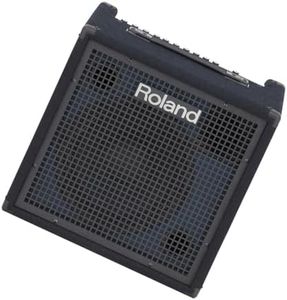
Power Output: 150 Watts
Speaker Size: 12-inch woofer
Inputs and Outputs: XLR mic, 1/4-inch line, headphone
Equalization (EQ) Controls: Master EQ, Shape switch
Portability: 54 pounds

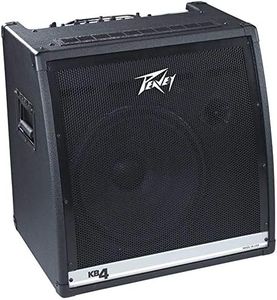
Peavey KB4 Keyboard Amplifier

Power Output: 75 watts
Inputs and Outputs: XLR inputs, headphone output
Equalization (EQ) Controls: 2-band EQ on two channels
Portability: 28 x 27.8 x 27.8 inches, 82 lbs

Roland 3-Channel Mixing Keyboard Amplifier, 50 watt (KC-80)
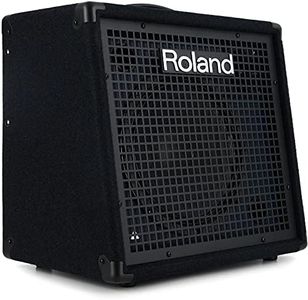
Power Output: 50-watt
Speaker Size: 10-inch woofer, tweeter
Inputs and Outputs: three 1/4-inch inputs, auxiliary, XLR mic
Equalization (EQ) Controls: built-in EQ controls
Portability: compact, lightweight design

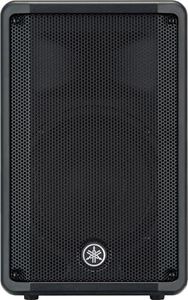
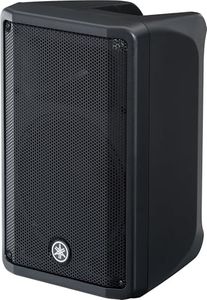
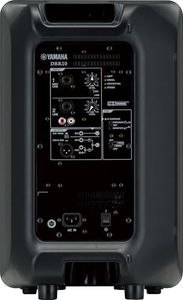
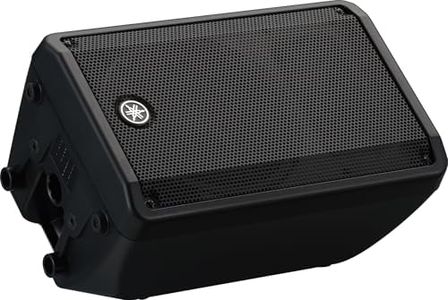
Yamaha DBR10 700-Watt Powered Speaker
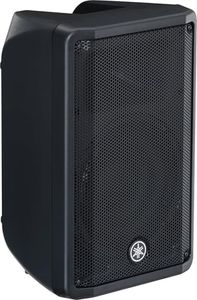
Power Output: 700 Watts
Speaker Size: 10 Inches
Equalization (EQ) Controls: none
Portability: Portable, 21 lbs
Built-in Effects: none

Roland 4-Channel Stereo Mixing Keyboard Amplifier, 200 watt (KC-600)
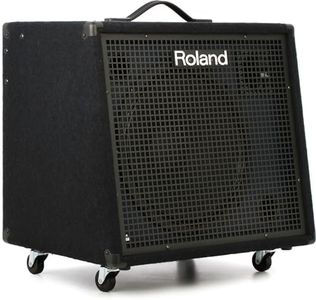
Power Output: 200 watts
Speaker Size: 15-inch woofer, horn tweeter
Inputs and Outputs: XLR mic input, headphone output
Equalization (EQ) Controls: master EQ, Shape switch
Portability: reduced weight, removable casters
How do we rank products for you?

Our technology thoroughly searches through the online shopping world, reviewing hundreds of sites. We then process and analyze this information, updating in real-time to bring you the latest top-rated products. This way, you always get the best and most current options available.

headphones-stars

Buying Guide for the Best Keyboard Amplifiers

Choosing the right keyboard amplifier is crucial for ensuring that your keyboard sounds its best, whether you're playing at home, in a studio, or on stage. A good keyboard amplifier will accurately reproduce the wide range of sounds that keyboards can produce, from deep bass notes to high-pitched melodies. When selecting a keyboard amplifier, consider the following key specifications to find the best fit for your needs.
Power OutputPower output, measured in watts, determines how loud the amplifier can get. This is important because it affects how well the amplifier can fill a room with sound. For home practice, a lower wattage (20-50 watts) is usually sufficient. For small gigs or rehearsals, you might need something in the range of 50-100 watts. For larger venues or outdoor performances, look for an amplifier with 100 watts or more. Consider where you will be using the amplifier most often to determine the right power output for you.
Speaker SizeThe size of the speaker in the amplifier affects the quality and type of sound it produces. Larger speakers (10-15 inches) can produce deeper bass and fuller sound, which is great for larger venues or if you play a lot of bass-heavy music. Smaller speakers (6-8 inches) are more portable and can still produce clear sound, making them suitable for home use or small gigs. Think about the type of music you play and where you will be using the amplifier to choose the right speaker size.
Inputs and OutputsInputs and outputs determine how you can connect your keyboard and other equipment to the amplifier. Most keyboard amplifiers will have at least one input for your keyboard, but if you plan to connect multiple keyboards or other instruments, look for an amplifier with multiple inputs. Outputs are important if you want to connect the amplifier to a PA system or recording equipment. Consider your current and future setup to ensure the amplifier has the necessary inputs and outputs.
Equalization (EQ) ControlsEQ controls allow you to adjust the bass, midrange, and treble frequencies to shape your sound. This is important for tailoring the amplifier's output to suit different types of music and venues. Basic amplifiers may have simple bass and treble controls, while more advanced models offer multi-band EQ for finer adjustments. If you play a variety of music styles or perform in different environments, having more EQ control can be very beneficial.
PortabilityPortability refers to how easy it is to transport the amplifier. This is important if you need to move the amplifier frequently, such as for gigs or rehearsals. Consider the weight and size of the amplifier, as well as features like built-in handles or wheels. If you primarily play at home, portability may be less of a concern, but if you're a gigging musician, a more portable amplifier can make your life much easier.
Built-in EffectsSome keyboard amplifiers come with built-in effects like reverb, chorus, or delay. These effects can enhance your sound and eliminate the need for additional pedals or processors. If you enjoy experimenting with different sounds or want to simplify your setup, an amplifier with built-in effects can be a great choice. However, if you prefer to use external effects, this feature may be less important.

FAQ