10 Best Photo Editing Monitors 2026 in the United States
Winner
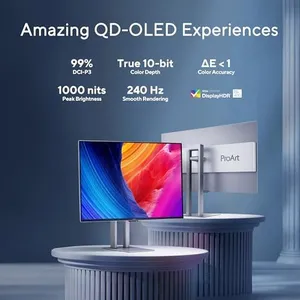
ASUS ProArt Display 32” 4K HDR QD-OLED Professional Monitor (PA32UCDM) - UHD, Ultra-Slim, 240Hz, 0.1ms, Auto Calibration, Dolby Vision, 99% DCI-P3, ΔE<1, Thunderbolt 4, Calman Ready, 3 yr Warranty

The ASUS ProArt Display PA32UCDM is designed with photo editors in mind, featuring a large 31.5-inch 4K UHD screen that offers crisp and detailed visuals thanks to its 3840 x 2160 resolution. Its Quantum Dot OLED panel delivers excellent color accuracy, covering 100% sRGB and 99% of the DCI-P3 color space, which are crucial for realistic color representation in photo editing.
Most important from
11 reviews
Dell 32 Plus 4K Monitor - S3225QS - 31.5-inch 4K (3840 x 2160) up to 120Hz 16:9 Display, VA Panel, AMD FreeSync Premium, 99% sRGB, 95% DCI-P3, 1500:1 Contrast Ratio, Comfortview - Ash White
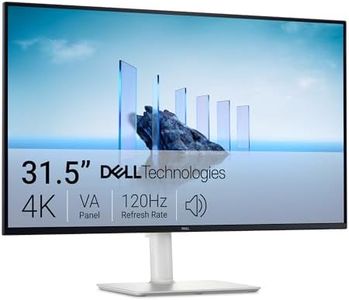
The Dell 32 Plus 4K Monitor - S3225QS is a 31.5-inch display boasting a 4K resolution (3840 x 2160), making it a strong contender for photo editing work that requires high detail and clarity. The VA panel provides vivid colors and deep blacks, with a 99% sRGB and 95% DCI-P3 coverage ensuring excellent color accuracy and consistency, crucial for precise photo editing tasks. Its 1500:1 contrast ratio and HDR readiness further enhance image quality, showing more depth and detail in your visuals.
Most important from
360 reviews
LG 32U990A-S 32-Inch Ultrafine 6K (6144 x 3456) Nano IPS Black Thunderbolt 5 Professional Monitor, 60Hz, DisplayHDR 600, Speakers, HDMI 2.1, DisplayPort 2.1, USB-C, Tilt/Height/Pivot Stand, Silver
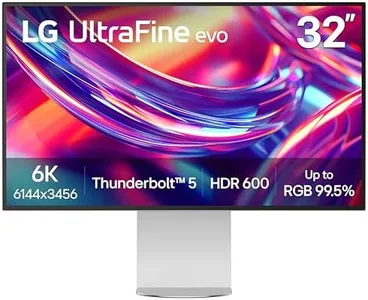
The LG 32U990A-S is a 32-inch professional monitor designed with photo editors and creative professionals in mind. Its standout feature is a very high 6K resolution (6144 x 3456 pixels), delivering a sharp and detailed image that lets you see fine details and work on high-resolution content without losing clarity. With a pixel density of 224 PPI, it packs a lot of pixels in a fairly large screen, which is great for multitasking with editing tools visible alongside your images.
Most important from
56 reviews
Top 10 Best Photo Editing Monitors 2026 in the United States
Winner
ASUS ProArt Display 32” 4K HDR QD-OLED Professional Monitor (PA32UCDM) - UHD, Ultra-Slim, 240Hz, 0.1ms, Auto Calibration, Dolby Vision, 99% DCI-P3, ΔE<1, Thunderbolt 4, Calman Ready, 3 yr Warranty

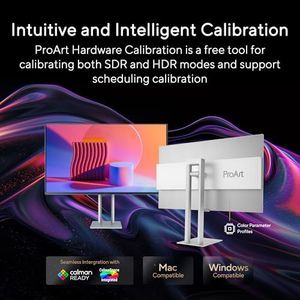

ASUS ProArt Display 32” 4K HDR QD-OLED Professional Monitor (PA32UCDM) - UHD, Ultra-Slim, 240Hz, 0.1ms, Auto Calibration, Dolby Vision, 99% DCI-P3, ΔE<1, Thunderbolt 4, Calman Ready, 3 yr Warranty
Chosen by 1222 this week
Dell 32 Plus 4K Monitor - S3225QS - 31.5-inch 4K (3840 x 2160) up to 120Hz 16:9 Display, VA Panel, AMD FreeSync Premium, 99% sRGB, 95% DCI-P3, 1500:1 Contrast Ratio, Comfortview - Ash White
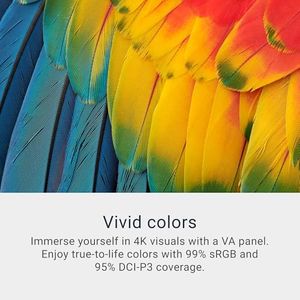
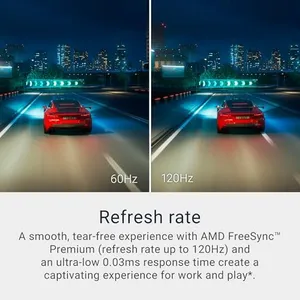
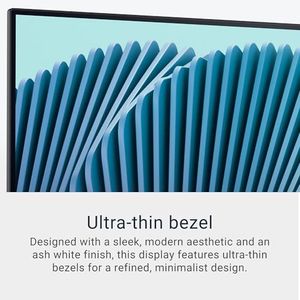
Dell 32 Plus 4K Monitor - S3225QS - 31.5-inch 4K (3840 x 2160) up to 120Hz 16:9 Display, VA Panel, AMD FreeSync Premium, 99% sRGB, 95% DCI-P3, 1500:1 Contrast Ratio, Comfortview - Ash White
LG 32U990A-S 32-Inch Ultrafine 6K (6144 x 3456) Nano IPS Black Thunderbolt 5 Professional Monitor, 60Hz, DisplayHDR 600, Speakers, HDMI 2.1, DisplayPort 2.1, USB-C, Tilt/Height/Pivot Stand, Silver
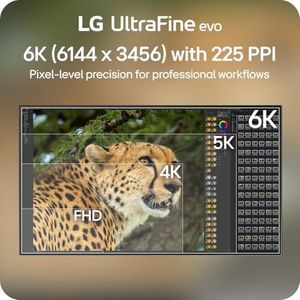
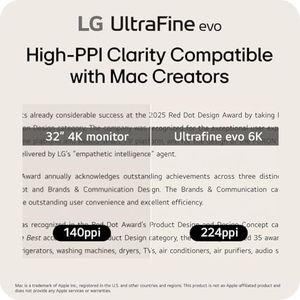
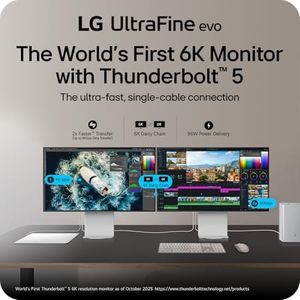
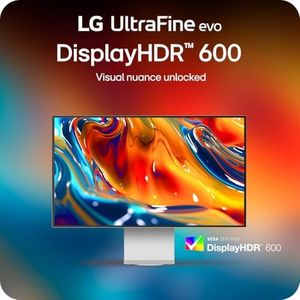
LG 32U990A-S 32-Inch Ultrafine 6K (6144 x 3456) Nano IPS Black Thunderbolt 5 Professional Monitor, 60Hz, DisplayHDR 600, Speakers, HDMI 2.1, DisplayPort 2.1, USB-C, Tilt/Height/Pivot Stand, Silver
ASUS ROG Swift 27” 4K QD-OLED Gaming Monitor (PG27UCDM) - 240Hz, 0.03ms, Custom Heatsink, Neo Proximity Sensor, G-SYNC Compatible, 99% DCI-P3, True 10-bit color, DisplayPort 2.1a UHBR20, 3 yr warranty
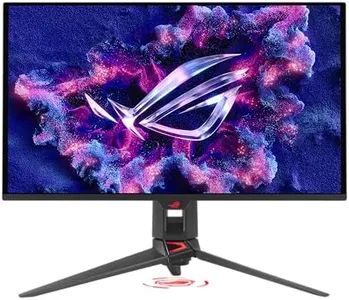
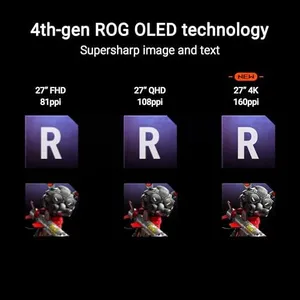
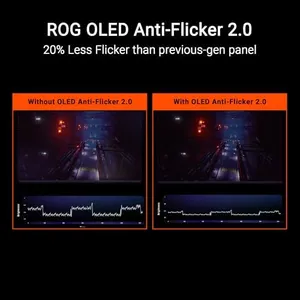
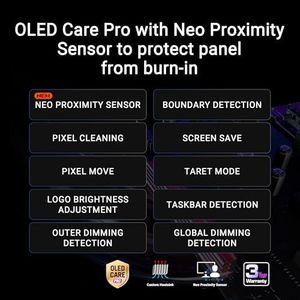

ASUS ROG Swift 27” 4K QD-OLED Gaming Monitor (PG27UCDM) - 240Hz, 0.03ms, Custom Heatsink, Neo Proximity Sensor, G-SYNC Compatible, 99% DCI-P3, True 10-bit color, DisplayPort 2.1a UHBR20, 3 yr warranty
ASUS ProArt Display 32” (31.5" viewable) Professional Monitor (PA329CRV) - IPS, 4K UHD (3840 x 2160), 98% DCI-P3, Color Accuracy ΔE < 2, Calman Verified, USB-C PD 96W, Daisy-Chain, VESA DisplayHDR400
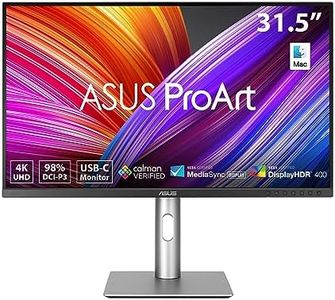

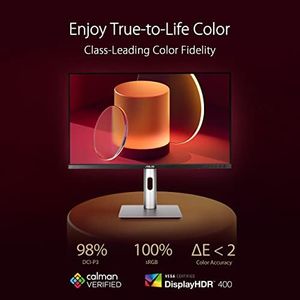
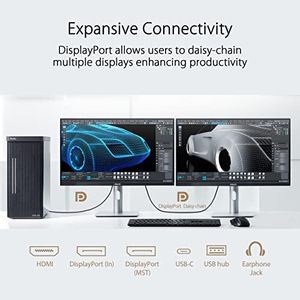
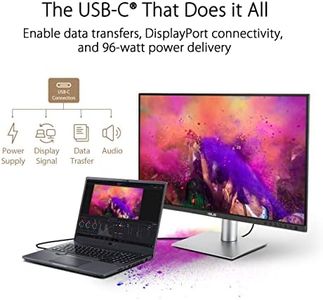
ASUS ProArt Display 32” (31.5" viewable) Professional Monitor (PA329CRV) - IPS, 4K UHD (3840 x 2160), 98% DCI-P3, Color Accuracy ΔE < 2, Calman Verified, USB-C PD 96W, Daisy-Chain, VESA DisplayHDR400
Related Products
Up to 32% off
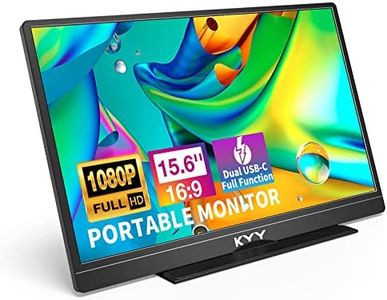
![KYY Portable Monitor 15.6'' 1080P FHD USB-C Laptop Monitors w/Smart Cover & Dual Speaker, HDMI Computer Display IPS HDR External Gaming Monitor for PC Phone Mac Xbox PS4 Switch[Upgraded]](https://images-proxy.bestreviews.guide/vIFCv2uEYZPAF0MgqvliERFQqO8=/0x300/https://m.media-amazon.com/images/I/41CdBgZtF7L._AC_CX679_.jpg)

BenQ PD3226G 32” 4K UHD (3840x2160) 144Hz Monitor for Designers, IPS, 95% P3, 100% sRGB, 90W Thunderbolt 4, Software Calibration, KVM, Daisy Chain, Reflection-Free Nano Matte Panel, Height Adjustable
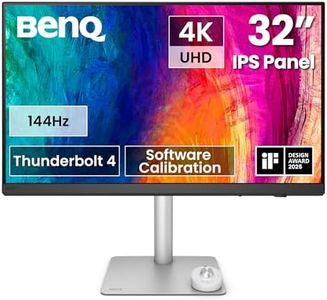
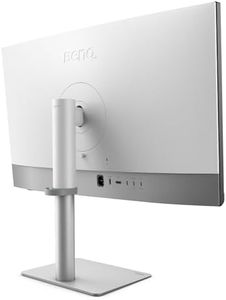
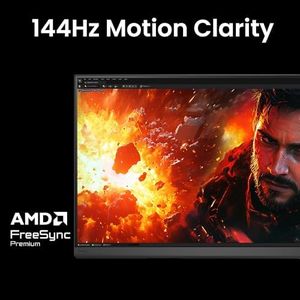
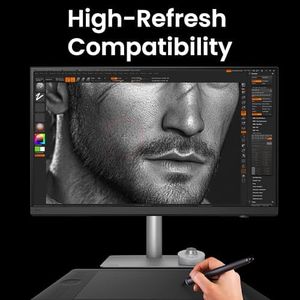
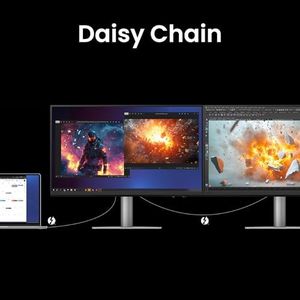
BenQ PD3226G 32” 4K UHD (3840x2160) 144Hz Monitor for Designers, IPS, 95% P3, 100% sRGB, 90W Thunderbolt 4, Software Calibration, KVM, Daisy Chain, Reflection-Free Nano Matte Panel, Height Adjustable
Dell 27 Plus 4K USB-C Monitor - S2725QC - 27-inch 4K (3840 x 2160) 120Hz 16:9 Display, AMD FreeSync Premium, sRGB 99%, Integrated Speakers, 1500:1 Contrast Ratio, Comfortview - Ash White
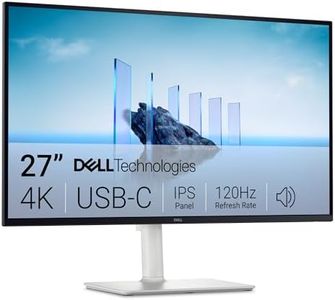
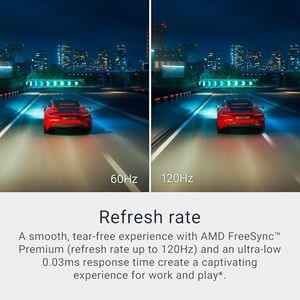
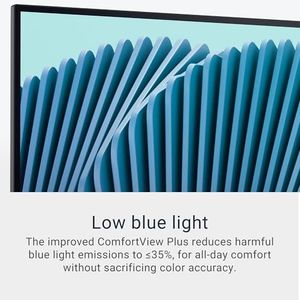
Dell 27 Plus 4K USB-C Monitor - S2725QC - 27-inch 4K (3840 x 2160) 120Hz 16:9 Display, AMD FreeSync Premium, sRGB 99%, Integrated Speakers, 1500:1 Contrast Ratio, Comfortview - Ash White
Dell 27 Plus 4K Monitor - S2725QS - 27-inch 4K (3840 x 2160) 120Hz 16:9 Display, IPS Panel, AMD FreeSync Premium, sRGB 99%, Integrated Speakers, 1500:1 Contrast Ratio, Comfortview - Ash White
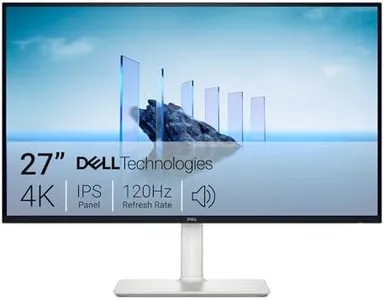

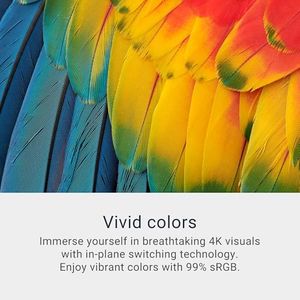
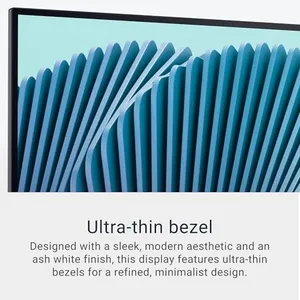
Dell 27 Plus 4K Monitor - S2725QS - 27-inch 4K (3840 x 2160) 120Hz 16:9 Display, IPS Panel, AMD FreeSync Premium, sRGB 99%, Integrated Speakers, 1500:1 Contrast Ratio, Comfortview - Ash White
Apple Studio Display - Standard Glass - Tilt-Adjustable Stand
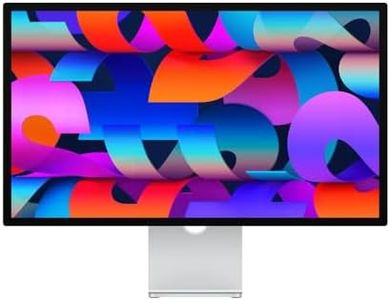
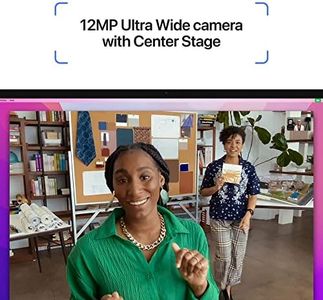
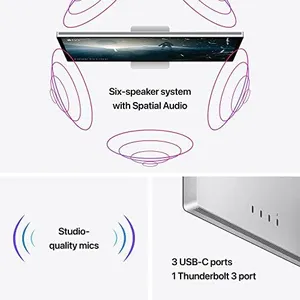
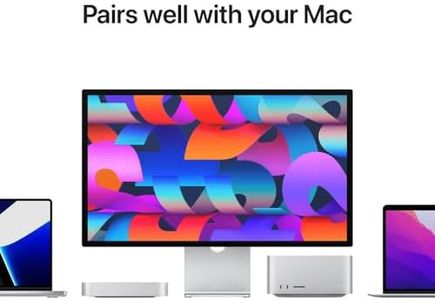
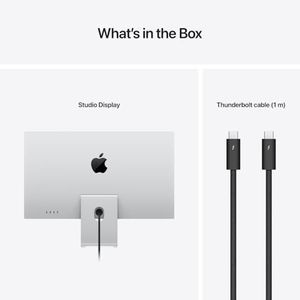
Apple Studio Display - Standard Glass - Tilt-Adjustable Stand
BenQ MA320U 32” 4K 3840x2160 Monitor for MacBook® Pro/Air, Dual USB-C, 90W Power Delivery, Mac Color Match, USB Hub, Brightness & Volume Control on Mac, Height & Tilt Adjustable Stand, P3 Color Gamut
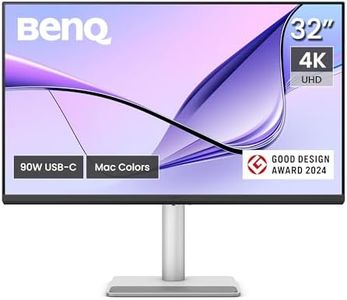

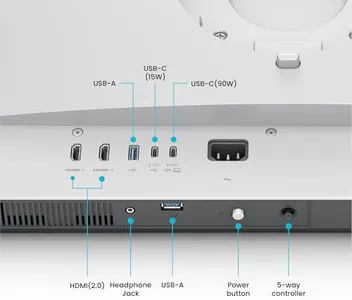
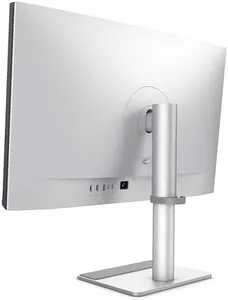
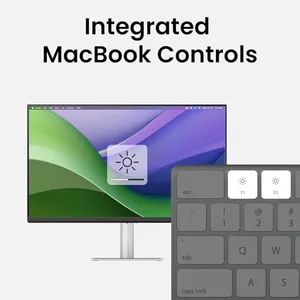
BenQ MA320U 32” 4K 3840x2160 Monitor for MacBook® Pro/Air, Dual USB-C, 90W Power Delivery, Mac Color Match, USB Hub, Brightness & Volume Control on Mac, Height & Tilt Adjustable Stand, P3 Color Gamut
Our technology thoroughly searches through the online shopping world, reviewing hundreds of sites. We then process and analyze this information, updating in real-time to bring you the latest top-rated products. This way, you always get the best and most current options available.
