We Use CookiesWe use cookies to enhance the security, performance, functionality and for analytical and promotional activities. By continuing to browse this site you are agreeing to our privacy policy

10 Best Thermostat For Electric Baseboard Heat 2026 in the United States

#1

Winner

10.0 score

Google Nest Learning Thermostat (4th gen) + Nest Temperature Sensor (2nd gen) - Obsidian
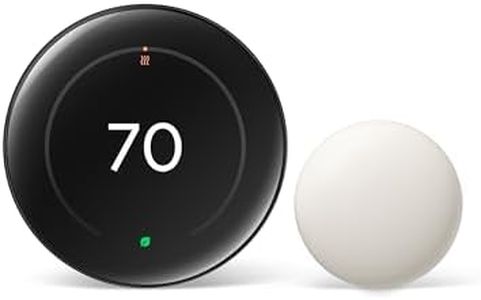
The Google Nest Learning Thermostat (4th gen), paired with the Nest Temperature Sensor (2nd gen), offers a smart and energy-saving solution for heating control, including electric baseboard systems. It supports most 24-volt heating systems and does not usually require a C wire, which simplifies installation for many homes. Its ability to learn your schedule and adjust settings automatically can help reduce heating bills—Google claims savings up to 31%. The included temperature sensor lets you monitor and control the temperature in different rooms, which is helpful for managing hot and cold spots common with baseboard heating.

#2
9.1 score

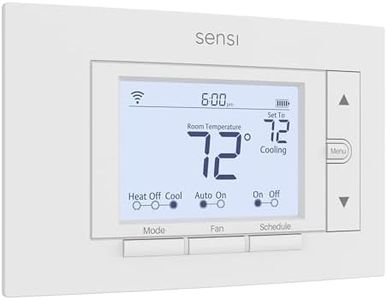
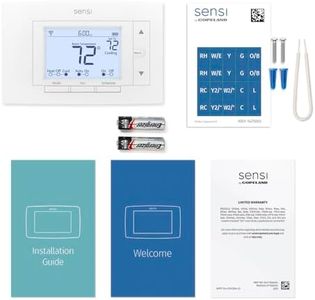
Sensi Smart Thermostat, Wi-Fi, DIY, Alexa, Energy Star Certified, ST55
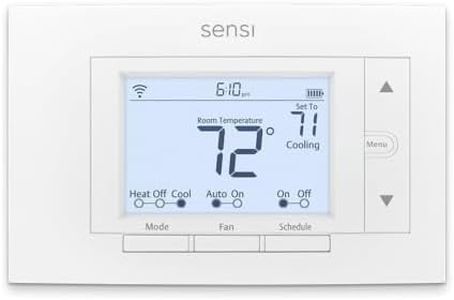
The Sensi Smart Thermostat ST55 is a solid choice for controlling electric baseboard heat, especially if you want a simple, user-friendly upgrade from a traditional thermostat. It offers easy DIY installation without needing a common wire in most setups, which is convenient for many homes. The device supports Wi-Fi connectivity and works well with Alexa, Google Assistant, Apple HomeKit, and other smart home systems, making remote control and voice commands straightforward. Its programmable scheduling and energy-saving features, certified by Energy Star, can help reduce heating costs by about 23%, which is a strong plus for energy-conscious users.

Rating
9.1
Installation
Compatibility
Smart Features

Most important from
22852 reviews

Installation
Installation is incredibly straightforward with a step-by-step app that guides wire labeling and setup, making it accessible even without electrical experience.
Compatibility
This thermostat works seamlessly with two-wire boiler systems without requiring a C-wire, powered by AA batteries that can last for years, saving costly rewiring.
Smart Features
Wi-Fi connectivity and compatibility with Alexa, Google Assistant, and Apple HomeKit enable easy remote control and voice commands, enhancing convenience.
Programmability
Programmable schedules and features like heat boost and humidity control deliver customizable comfort while helping reduce energy costs.
User Interface
The design balances modern smart features with a classic thermostat interface, avoiding complicated touchscreens and ensuring simple physical controls.
#3
8.2 score

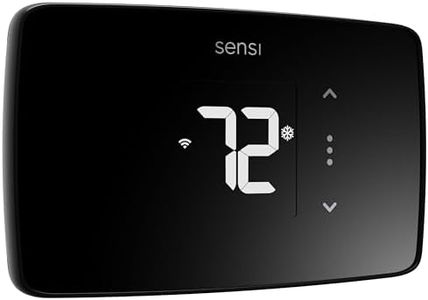
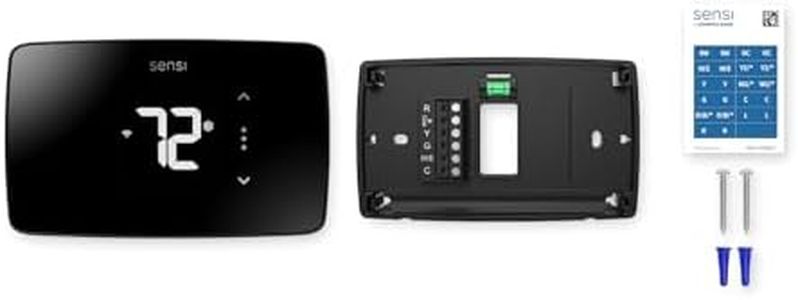
Sensi Lite Smart Thermostat, WiFi, Alexa, DIY, Energy Star Certified, ST25
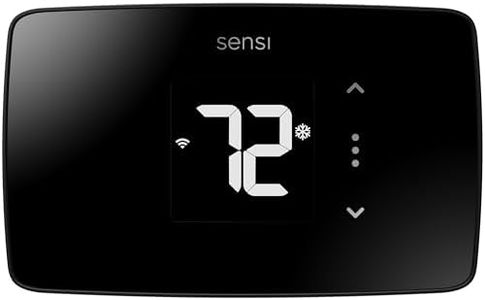
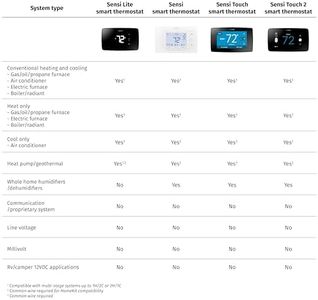
The Sensi Lite Smart Thermostat is a solid choice for controlling electric baseboard heating, especially if you want to save energy and enjoy smart home convenience. It supports common HVAC systems and requires a C-wire for some setups, which might mean extra wiring for certain homes. Its DIY installation is straightforward, thanks to clear instructions and a built-in level, making setup easier for those who prefer to handle it themselves.

Rating
8.2
Installation
Smart Features
User Interface

Most important from
2212 reviews

Installation
Installation is straightforward with clear, step-by-step video and app instructions that make the DIY process smooth even for those unfamiliar with HVAC systems.
Smart Features
The thermostat connects quickly and reliably to Wi-Fi, maintaining a stable online presence without frequent dropouts.
User Interface
Large, easy-to-read display numbers make manual adjustments effortless, especially for users with visual challenges.
Programmability
The app interface is clean and intuitive, enabling easy programming of multiple schedules and features like Early Start to preheat or precool your home on time.
Energy Efficiency
Enables users to monitor and adjust heating proactively, helping to catch issues early and maintain comfort efficiently.

Top 10 Best Thermostat For Electric Baseboard Heat 2026 in the United States

#1

Winner

10.0  score

Google Nest Learning Thermostat (4th gen) + Nest Temperature Sensor (2nd gen) - Obsidian

Compatibility: Most 24V heating systems, including electric
Programmability: Learns schedule, adjusts settings automatically
User Interface: Large touchscreen; Alexa, Google, Siri voice
Smart Features: Auto Away, Scheduling, Eco mode, Wi-Fi
Energy Efficiency: Reduces heating bills up to 31%
Installation: Wall mount; no C wire usually needed

Chosen by 1452 this week

Sensi Smart Thermostat, Wi-Fi, DIY, Alexa, Energy Star Certified, ST55
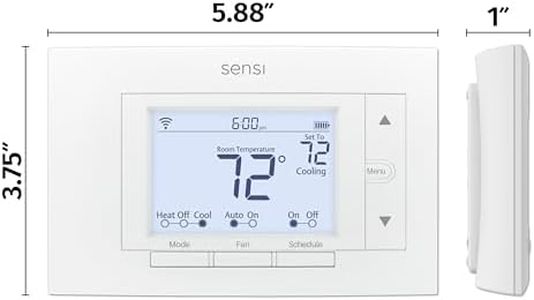
Compatibility: Electric baseboard, furnaces, heat pumps
Programmability: Programmable scheduling
Temperature Range: Fits most residential heating needs
User Interface: Clear LED display, button controls
Smart Features: Wi-Fi, Alexa, Google, Apple, SmartThings
Energy Efficiency: Energy Star, saves about 23% energy
Installation: Easy DIY, no common wire needed

Sensi Lite Smart Thermostat, WiFi, Alexa, DIY, Energy Star Certified, ST25
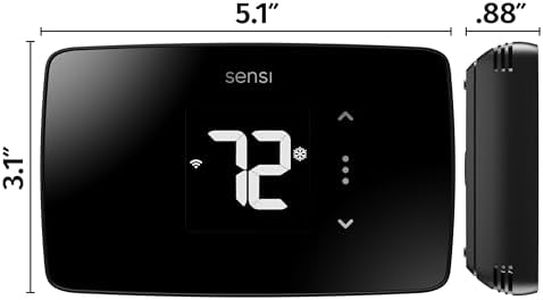
Compatibility: AC, Boiler, Furnace, Heat Pump
Programmability: Programmable
User Interface: App, Touch, Voice
Smart Features: Alexa, Google, Hand Control, SmartThings
Energy Efficiency: Energy Star
Installation: DIY Install, Wall Mount, Needs C-wire

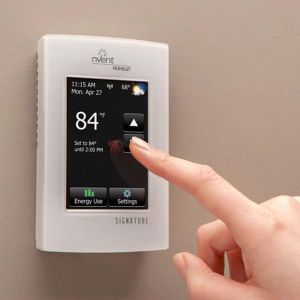
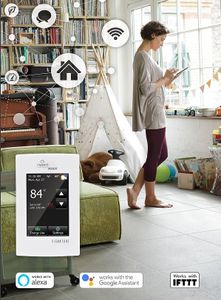
Nuheat Signature Programmable Dual-Voltage Thermostat with WiFi and Touchscreen Interface
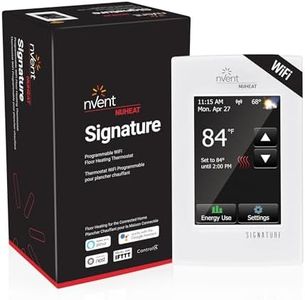
Compatibility: electric baseboard, floor heating, 120V, 240V
Programmability: programmable, personalized daily heating schedules
User Interface: 3½-inch touchscreen
Smart Features: Wi-Fi, app control, Alexa, Google Assistant
Energy Efficiency: energy
Installation: hardwired, may need electrical work

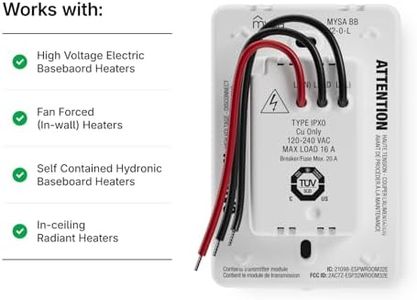
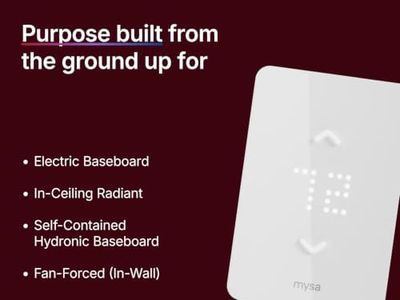
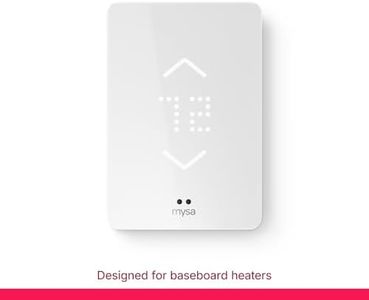
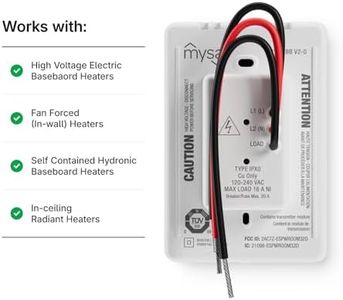
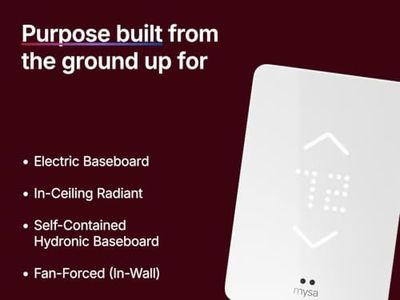
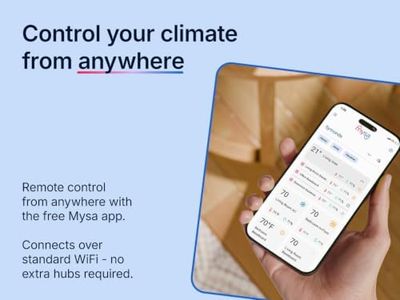
Mysa Smart Thermostat for Electric Baseboard Heaters 240V | Remote Control with 100% Free APP | Easy Install | HomeKit, Alexa, Google Home | Wi-Fi Programmable | Temp. & Humidity Alerts

Compatibility: High/line voltage electric heating systems
Programmability: Programmable heating schedule via app
User Interface: User-friendly app, voice commands
Smart Features: Energy Insights, Geofencing, Adaptive Display
Energy Efficiency: Energy insights, geofencing
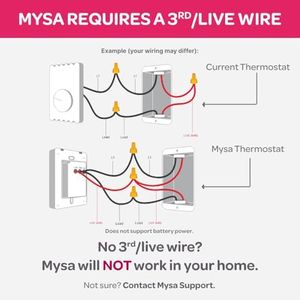
Installation: Easy installation for systems with four wires

Mysa Smart Thermostat LITE for Electric Baseboard Heaters | Save Up to 26% on Heating | WiFi Programmable | 7-Day Scheduling | HomeKit, Alexa, Google | 120V-240V
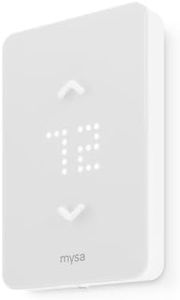
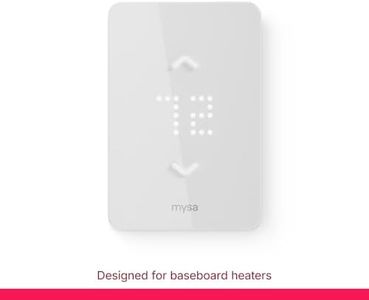
Compatibility: High-voltage heaters, needs 4 wires
Programmability: Programmable heating schedules
User Interface: Touch buttons, free mobile app
Smart Features: Wi-Fi, voice commands, geofencing, lock
Energy Efficiency: Schedules cut bills up to 26%
Installation: DIY, video guides, specific wiring

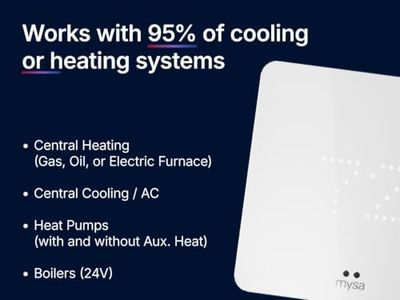
NEW Mysa Smart Thermostat for Heating & Cooling | Programmable WiFi Thermostat | Energy Star Certified | 7-Day Scheduling | Geofencing | Vacation Mode
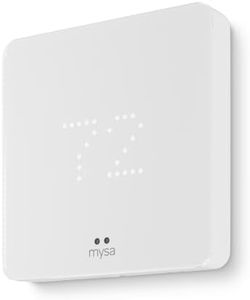
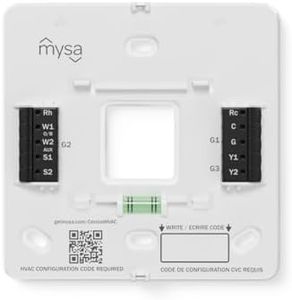
Compatibility: 24V systems with C-wire; heat pumps
Programmability: 7-day schedules, geofencing, vacation modes
User Interface: Touchscreen, app for iOS and Android
Smart Features: WiFi, geofencing, energy reports, alerts
Energy Efficiency: Energy Star Certified, usage reports
Installation: DIY-friendly; needs 24V system, C-wire

KING K901-B Hoot WiFi Line Voltage Smart Programmable Thermostat, 120/208/240V, Single Pole, 3-Wire, Black
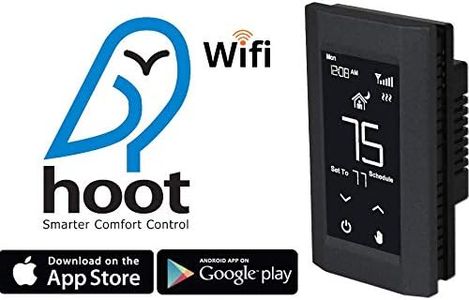
Compatibility: Electric heaters, single-pole, 120-240V
Programmability: Programmable via app, 4-6 daily periods
Temperature Range: 41º to 90ºF
User Interface: 4-inch touchscreen, digital display
Smart Features: Wi-Fi, over-the-air updates
Installation: Easy install, pro help if unsure

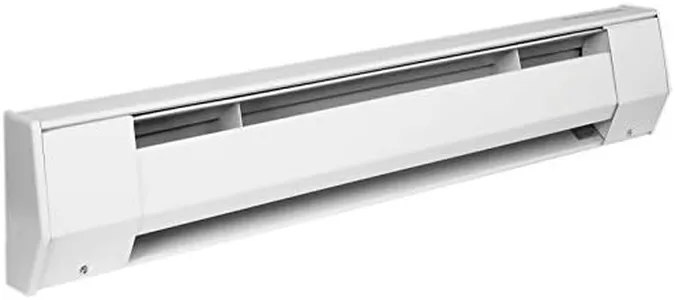
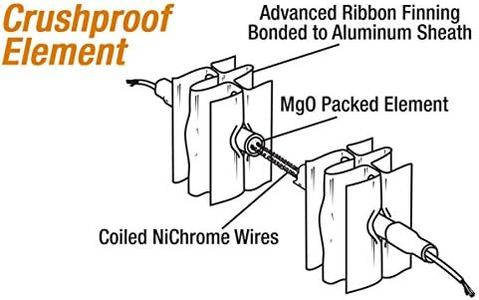
King 3K1207BW 750-Watt 120-Volt 3-Foot Baseboard Heater, Bright White

Compatibility: Needs compatible thermostat for baseboard heating
Smart Features: Not compatible with smart home
Energy Efficiency: Energy Efficient
Installation: Hardwired wall mount

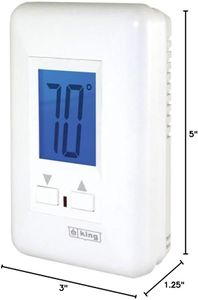
KING ES230-R MAX22 Electronic Line Voltage Non-Programmable Thermostat, 3-Wire, 208/240V, 22A
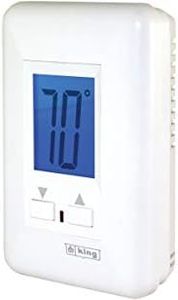
Compatibility: Electric baseboard systems
Programmability: Non-programmable
Temperature Range: 65ºF to 75ºF
User Interface: Simple controls, digital display
Energy Efficiency: Saves up to 15% costs
Installation: Single pole, ample wiring room
How do we rank products for you?

Our technology thoroughly searches through the online shopping world, reviewing hundreds of sites. We then process and analyze this information, updating in real-time to bring you the latest top-rated products. This way, you always get the best and most current options available.

headphones-stars

Buying Guide for the Best Thermostat For Electric Baseboard Heat

Choosing the right thermostat for your electric baseboard heater can significantly impact your comfort and energy efficiency. The right thermostat will allow you to maintain a consistent temperature, save on energy costs, and provide ease of use. When selecting a thermostat, consider the following key specifications to ensure you get the best fit for your needs.
CompatibilityCompatibility refers to whether the thermostat can work with your specific type of electric baseboard heater. This is crucial because not all thermostats are designed to handle the high voltage that electric baseboard heaters require. To navigate this, check the voltage rating of the thermostat and ensure it matches your heater's requirements. Typically, electric baseboard heaters operate on 120V or 240V. Choose a thermostat that explicitly states it is compatible with electric baseboard heaters to avoid any installation or operational issues.
ProgrammabilityProgrammability in a thermostat allows you to set different temperatures for different times of the day or week. This feature is important for optimizing energy use and maintaining comfort. Programmable thermostats can be divided into non-programmable, 5-2 day programmable (weekdays and weekends), and 7-day programmable (custom settings for each day). If you have a regular schedule, a 5-2 day programmable thermostat might be sufficient. For more flexibility, a 7-day programmable thermostat allows for different settings each day, which is ideal if your schedule varies.
Temperature RangeThe temperature range indicates the minimum and maximum temperatures that the thermostat can control. This is important to ensure that the thermostat can maintain the desired comfort level in your space. Most thermostats for electric baseboard heaters have a wide range, typically from 40°F to 90°F. Consider your climate and personal comfort preferences when choosing a thermostat with an appropriate temperature range.
User InterfaceThe user interface includes the display and controls of the thermostat. A good user interface is important for ease of use and accessibility. Thermostats can have simple dial controls, digital displays, or even touchscreens. If you prefer straightforward operation, a basic model with a dial might be sufficient. For more advanced control and better visibility, especially in low light, a digital display or touchscreen can be more convenient.
Smart FeaturesSmart features in a thermostat allow for remote control and integration with home automation systems. This is important for convenience and advanced energy management. Smart thermostats can be controlled via smartphone apps, voice assistants, or even learn your schedule over time. If you value the ability to adjust your thermostat remotely or want to integrate it with other smart home devices, look for models with Wi-Fi connectivity and compatibility with your preferred smart home ecosystem.
Energy EfficiencyEnergy efficiency features help reduce energy consumption and lower utility bills. This is important for both environmental and financial reasons. Look for thermostats with features like adaptive recovery, which learns how long it takes to heat your space and adjusts accordingly, or energy usage reports that help you track and manage your energy consumption. If energy savings are a priority, choose a thermostat with these advanced efficiency features.
InstallationInstallation refers to how easy it is to set up the thermostat. This is important for ensuring that you can get your thermostat up and running without professional help. Some thermostats are designed for DIY installation with clear instructions and minimal tools required, while others might need professional installation due to complex wiring. If you are comfortable with basic electrical work, a DIY-friendly model might be suitable. Otherwise, consider the cost and convenience of professional installation.

FAQ