10 Best Voltage Testers 2026 in the United States
Winner
Fluke 1507 Digital Megohmmeter Insulation Resistance Tester, for Advanced Industrial and Electrical Insulation Testing, Offers Multiple Insulation Test Voltages: 50 V, 100 V, 250 V, 500 V, and 1000 V
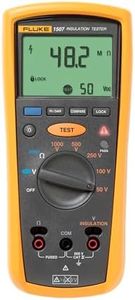
The Fluke 1507 Digital Megohmmeter is a solid choice for professionals needing reliable insulation resistance testing. It covers a wide voltage range, offering test voltages of 50, 100, 250, 500, and 1000 volts, which suits many industrial applications well. Its digital, battery-powered design includes a large backlit display, making it easy to read results even in dim conditions. Built with safety in mind, the tester will not perform insulation tests if it detects live voltage above 30 volts, helping protect users from accidental shocks. The included remote test probe is handy for repetitive or hard-to-reach tests, adding convenience. Calibration before shipment assures accuracy (+/-0.5%), which is essential for trustworthy measurements.
Most important from
272 reviews
Fluke 15B+ Digital Multimeter, for Electrical Applications, Measures AC/DC Voltage and Current Measurements up to 1000V and 10A, Along with Resistance, Continuity, Diode, and Capacitance Capabilities
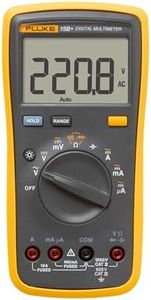
The Fluke 15B+ Digital Multimeter is a reliable tool for electrical applications, offering a broad voltage range up to 1000V for both AC and DC, which makes it versatile for various tasks from automotive diagnostics to electrical panel work. Its capability to measure up to 10A of current is useful for detecting issues like overloading and short circuits. The addition of features like resistance, continuity, diode, and capacitance measurements further enhances its utility for troubleshooting a wide range of electrical issues.
Most important from
804 reviews
Amprobe TIC 300 PRO High Voltage Detector Kit
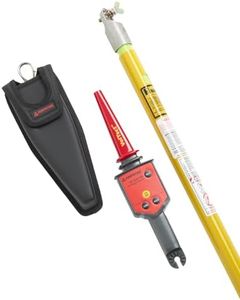
The Amprobe TIC 300 PRO High Voltage Detector Kit is designed for professionals needing to detect very high voltages, ranging from 30 volts up to an impressive 122,000 volts AC. This wide voltage range makes it especially useful for checking transmission lines, power distribution systems, and other high-voltage equipment safely. It’s a non-contact tester, meaning you don’t have to touch live wires directly, which adds a layer of safety. The kit includes a Hot Stick (TIC 410A), allowing safe testing of voltages above 1500 volts from a distance.
Most important from
11 reviews
Top 10 Best Voltage Testers 2026 in the United States
Winner
Fluke 1507 Digital Megohmmeter Insulation Resistance Tester, for Advanced Industrial and Electrical Insulation Testing, Offers Multiple Insulation Test Voltages: 50 V, 100 V, 250 V, 500 V, and 1000 V
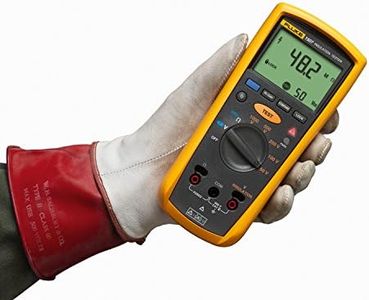
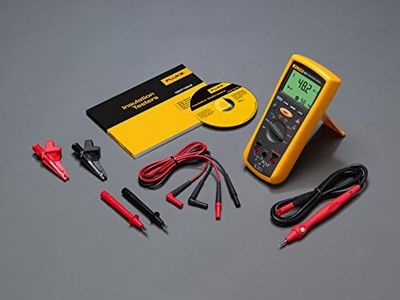
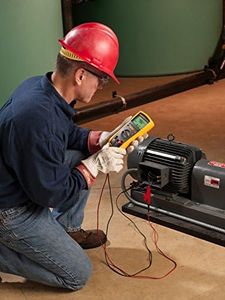
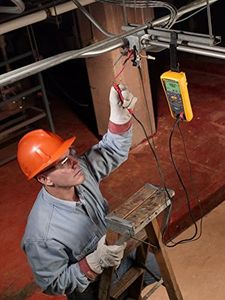
Fluke 1507 Digital Megohmmeter Insulation Resistance Tester, for Advanced Industrial and Electrical Insulation Testing, Offers Multiple Insulation Test Voltages: 50 V, 100 V, 250 V, 500 V, and 1000 V
Chosen by 1270 this week
Fluke 15B+ Digital Multimeter, for Electrical Applications, Measures AC/DC Voltage and Current Measurements up to 1000V and 10A, Along with Resistance, Continuity, Diode, and Capacitance Capabilities


Fluke 15B+ Digital Multimeter, for Electrical Applications, Measures AC/DC Voltage and Current Measurements up to 1000V and 10A, Along with Resistance, Continuity, Diode, and Capacitance Capabilities
Amprobe TIC 300 PRO High Voltage Detector Kit
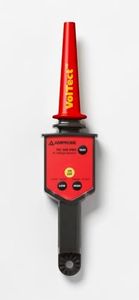
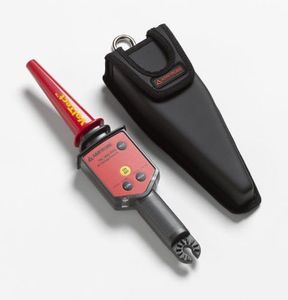
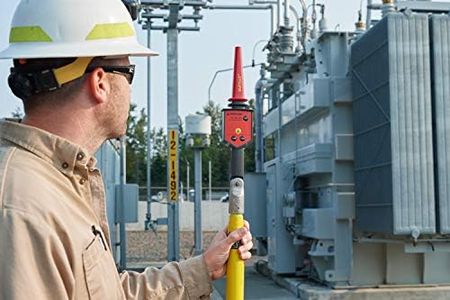

Amprobe TIC 300 PRO High Voltage Detector Kit
Fluke T5-600 Electrical Voltage, Continuity and Current Tester, Measures AC Current Up to 100 A Without Contact, Automatically Select AC/DC for Tests, Includes Detachable SlimReach Probe Tip
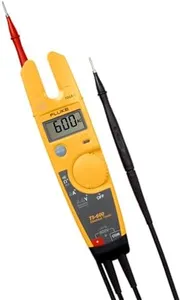


Fluke T5-600 Electrical Voltage, Continuity and Current Tester, Measures AC Current Up to 100 A Without Contact, Automatically Select AC/DC for Tests, Includes Detachable SlimReach Probe Tip
Klein Tools MM325 Multimeter, Digital Manual-Ranging 600V AC/DC Voltage Tester, Tests Batteries, Current, Resistance, Diodes, and Continuity
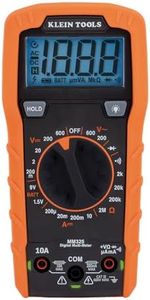


Klein Tools MM325 Multimeter, Digital Manual-Ranging 600V AC/DC Voltage Tester, Tests Batteries, Current, Resistance, Diodes, and Continuity
Related Products
Up to 6% off

Fluke T6-600 Electrical Tester
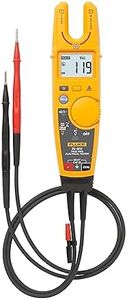


Fluke T6-600 Electrical Tester
Fluke 17B+ Digital Multimeter, for Electrical Applications, Measures AC/DC Voltage 1000V, Current Measurements to 10A, Resistance, Continuity, Diode, Capacitance, Frequency, and Temperature Testing
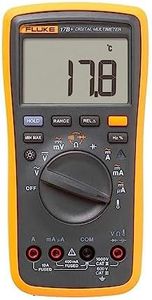
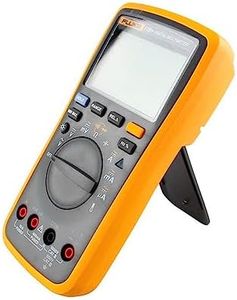
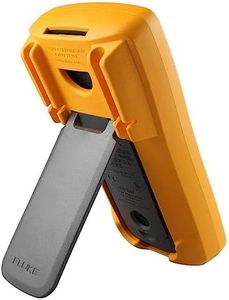

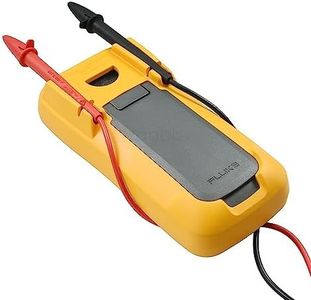
Fluke 17B+ Digital Multimeter, for Electrical Applications, Measures AC/DC Voltage 1000V, Current Measurements to 10A, Resistance, Continuity, Diode, Capacitance, Frequency, and Temperature Testing
Fluke T5-1000 Voltage, Continuity and Current Tester, OpenJaw Design For Current Measurements Without Metallic Contact, Includes Detachable Slim Reach Probe Tips, Auto Selects AC or DC Voltage
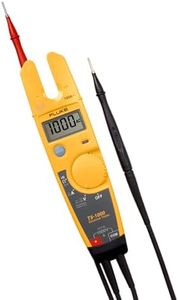


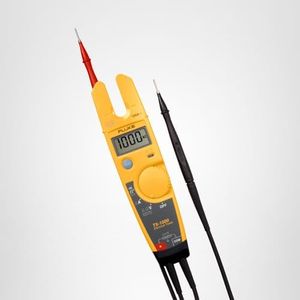
Fluke T5-1000 Voltage, Continuity and Current Tester, OpenJaw Design For Current Measurements Without Metallic Contact, Includes Detachable Slim Reach Probe Tips, Auto Selects AC or DC Voltage
Klein Tools 69149P Electrical Test Kit with Digital Multimeter, Non-Contact Voltage Tester and Electrical Outlet Tester, Leads and Batteries
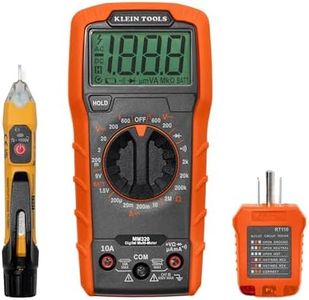
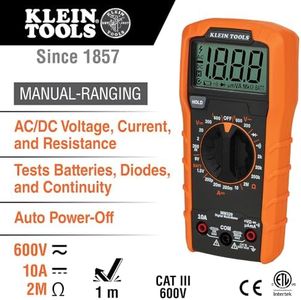
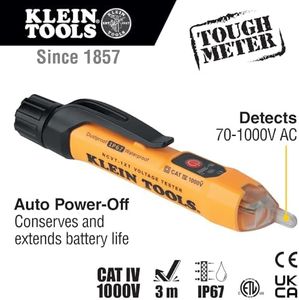
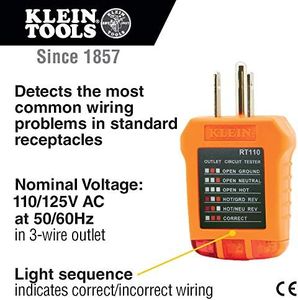
Klein Tools 69149P Electrical Test Kit with Digital Multimeter, Non-Contact Voltage Tester and Electrical Outlet Tester, Leads and Batteries
Fluke 1AC II VoltAlert Non-Contact Voltage Tester, Pocket-Sized, 90-1000V AC, Audible Beeper, CAT IV Rating
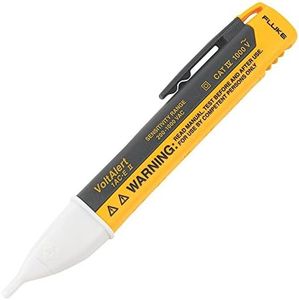
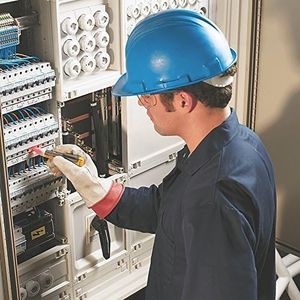
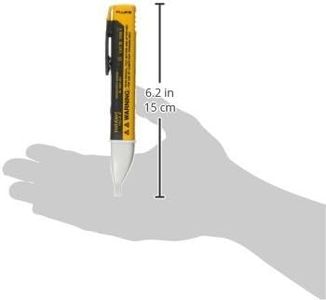

Fluke 1AC II VoltAlert Non-Contact Voltage Tester, Pocket-Sized, 90-1000V AC, Audible Beeper, CAT IV Rating
Our technology thoroughly searches through the online shopping world, reviewing hundreds of sites. We then process and analyze this information, updating in real-time to bring you the latest top-rated products. This way, you always get the best and most current options available.
