10 Best Guitar Volume Pedals 2026 in the United States
Winner
M-AUDIO EX-P Expression Pedal for Keyboards, MIDI Keyboards/Controllers and Supported Guitar Effects Pedals
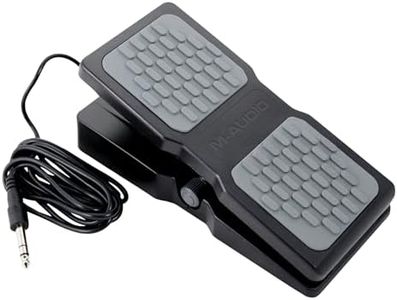
The M-AUDIO EX-P Expression Pedal is designed primarily for keyboards, MIDI controllers, and compatible guitar effects pedals, making it a versatile tool for musicians who want real-time control over parameters like volume, modulation, and filter sweeps. It is an active pedal with a built-in polarity switch, which helps it work smoothly with a wide range of devices by matching signal requirements. The pedal uses a hardwired 1/4" TRS cable, ensuring a stable connection, although this means you can't easily swap cables if needed.
Most important from
3861 reviews
Flatsons KMF-1 Guitar Pedal, 77 Effects Guitar Multi Effects Pedal with 50 Preset, 42 Drum Rhythm, 18 Amp/Cab, Upgraded Color Screen, Aux In, Guitar Tuner Looper Expression Wah Volume Distortion Pedal
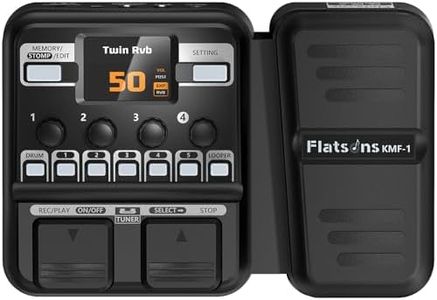
The Flatsons KMF-1 is a versatile guitar multi-effects pedal that goes beyond just volume control, offering a large variety of sounds and effects ideal for creative guitar players of all levels. It uses advanced digital technology to simulate analog amp and cabinet sounds very precisely, which helps deliver clear and dynamic tones whether you're practicing, recording, or performing live. With 77 effects, including amp models, reverbs, delays, and modulation, plus 50 presets and a looper, this pedal is like having a mini studio at your feet.
Most important from
375 reviews
EarthQuaker Devices Sunn Life Pedal V3
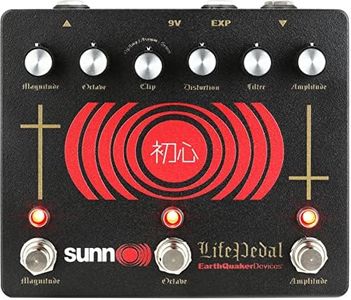
The EarthQuaker Devices Sunn Life Pedal V3 is not just a typical volume pedal; it's an octave distortion pedal with a built-in booster, making it a versatile choice for guitarists wanting to add unique sounds beyond simple volume control. Its analog signal format ensures warm, natural tone shaping, which is appreciated in live performance and recording. The pedal includes Flexi Switch Technology and a 3-way Clip Knob, giving you flexible control over its effect settings, which can be great for players who want to experiment with different distortion and octave blends.
Most important from
36 reviews
Top 10 Best Guitar Volume Pedals 2026 in the United States
Winner
M-AUDIO EX-P Expression Pedal for Keyboards, MIDI Keyboards/Controllers and Supported Guitar Effects Pedals


M-AUDIO EX-P Expression Pedal for Keyboards, MIDI Keyboards/Controllers and Supported Guitar Effects Pedals
Chosen by 1337 this week
Flatsons KMF-1 Guitar Pedal, 77 Effects Guitar Multi Effects Pedal with 50 Preset, 42 Drum Rhythm, 18 Amp/Cab, Upgraded Color Screen, Aux In, Guitar Tuner Looper Expression Wah Volume Distortion Pedal


Flatsons KMF-1 Guitar Pedal, 77 Effects Guitar Multi Effects Pedal with 50 Preset, 42 Drum Rhythm, 18 Amp/Cab, Upgraded Color Screen, Aux In, Guitar Tuner Looper Expression Wah Volume Distortion Pedal
EarthQuaker Devices Sunn Life Pedal V3
EarthQuaker Devices Sunn Life Pedal V3
Ernie Ball VP JR 250K Volume Pedal, For Passive Signals (P06180)
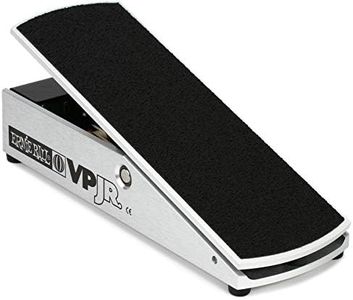
Ernie Ball VP JR 250K Volume Pedal, For Passive Signals (P06180)
HOTONE 2 in 1 Passive Expression Footswitch EXP Pedal Ampero II Press(Included 1 PCS Additional 15 CM TRS Cable)
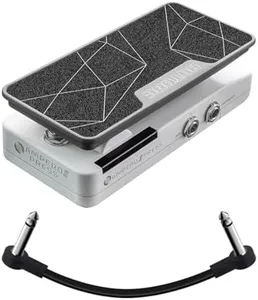
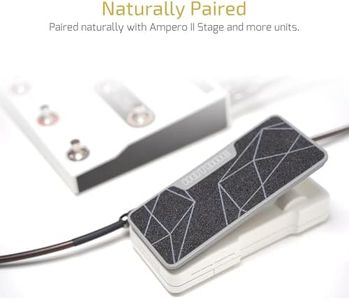
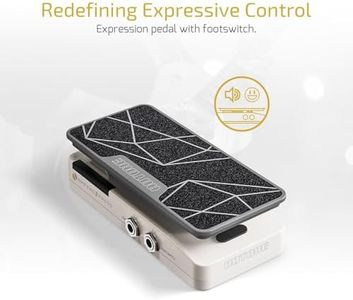
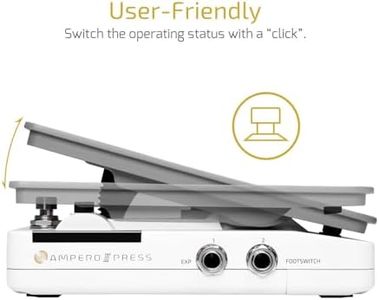
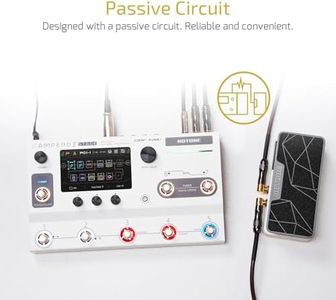
HOTONE 2 in 1 Passive Expression Footswitch EXP Pedal Ampero II Press(Included 1 PCS Additional 15 CM TRS Cable)
Related Products
Up to 20% off

JOYO Compact Wah/Volume Guitar Pedal, 6-Mode Sweep Range & Adjustable Q Control, Active Volume with Minimum Knob, True Bypass in Wah Mode (WAH-II)
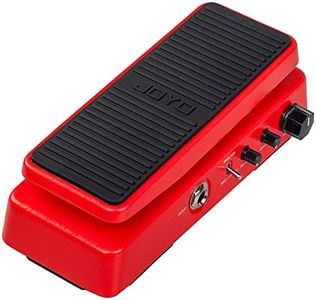


JOYO Compact Wah/Volume Guitar Pedal, 6-Mode Sweep Range & Adjustable Q Control, Active Volume with Minimum Knob, True Bypass in Wah Mode (WAH-II)
Hotone Wah Active Volume Passive Expression Guitar Effects Pedal Switchable Soul Press II 4 in 1 with Visible Guitar Effects Pedal
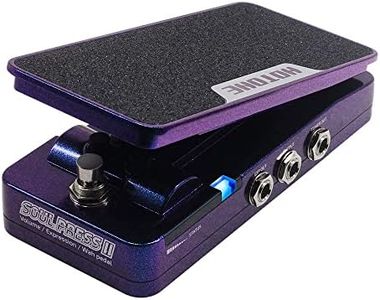
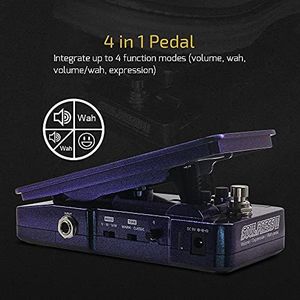
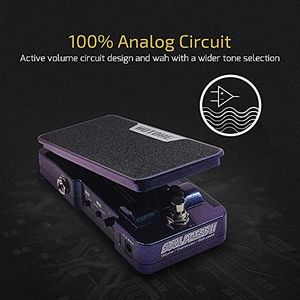
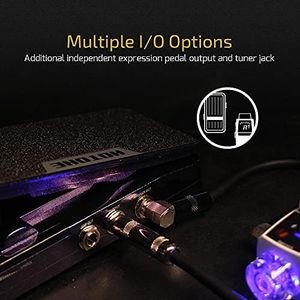
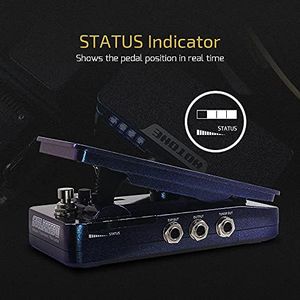
Hotone Wah Active Volume Passive Expression Guitar Effects Pedal Switchable Soul Press II 4 in 1 with Visible Guitar Effects Pedal
Korg XVP20 Stereo Volume and Expression Pedal
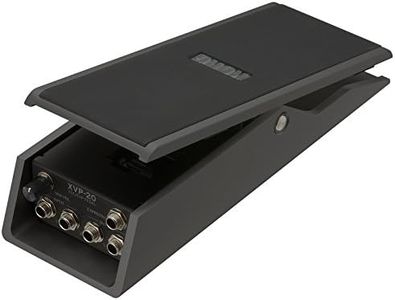
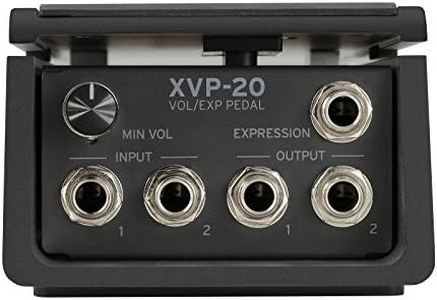
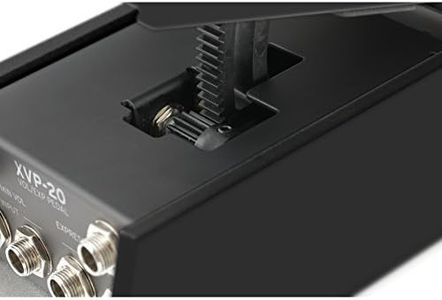
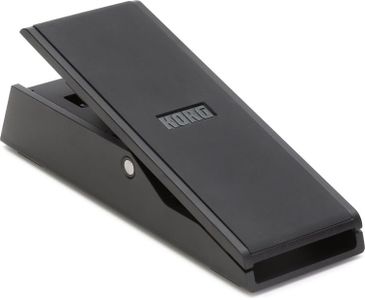

Korg XVP20 Stereo Volume and Expression Pedal
Ernie Ball VP JR Tuner Pedal, Black (P06203)

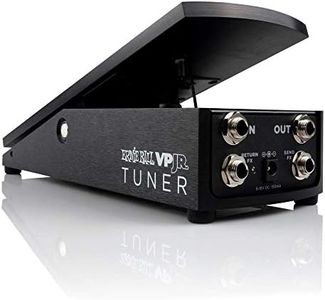
Ernie Ball VP JR Tuner Pedal, Black (P06203)
EarthQuaker Devices Plumes Small Signal Shredder Overdrive Guitar Effects Pedal

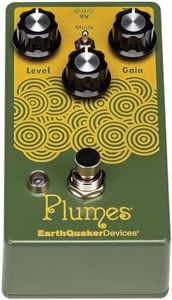
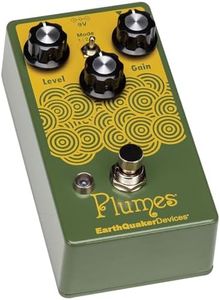
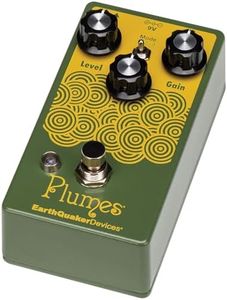
EarthQuaker Devices Plumes Small Signal Shredder Overdrive Guitar Effects Pedal

Our technology thoroughly searches through the online shopping world, reviewing hundreds of sites. We then process and analyze this information, updating in real-time to bring you the latest top-rated products. This way, you always get the best and most current options available.
