We Use CookiesWe use cookies to enhance the security, performance, functionality and for analytical and promotional activities. By continuing to browse this site you are agreeing to our privacy policy

10 Best Volume Pedals 2026 in the United States

#1

Winner

10.0 score

MOOER GE100 Multi-Effects Guitar Pedal 80 Presets, 66 Effects

The MOOER GE100 is a versatile multi-effects pedal that includes an expression volume pedal, making it a good choice for guitar players who want more than just volume control. It offers six assignable expression pedal parameters, allowing flexible control over volume and other effect settings. This means you can tailor how the pedal responds to your playing style. The pedal’s size is quite compact and lightweight (around 1.6 pounds), which makes it portable and easy to fit on a pedalboard. Build quality is solid for its price range, suitable for regular use.

Rating
10.0
Chosen by1,460
Size and Build Quality
Additional Features

Most important from
1447 reviews

Size and Build Quality
The compact and lightweight design makes it convenient for pedalboards and portable setups.
Additional Features
The loop function is effective and adds significant versatility for practice and live use.
#2
8.5 score

Lehle Mono Volume Pedal S

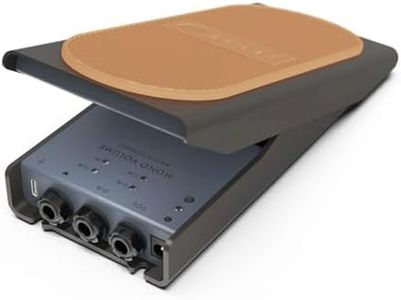
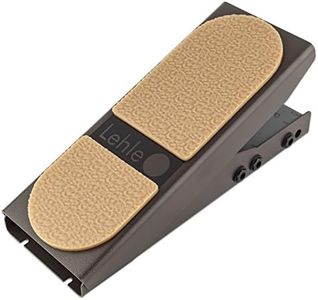
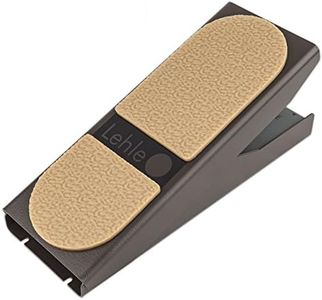
The Lehle Mono Volume Pedal S is an active volume pedal designed for guitar, bass, and keyboard players who want precise control over their volume levels. It uses a magnetically controlled Blackmer VCA, which means it offers smooth and reliable volume adjustments without the typical wear and tear of mechanical parts. This active design requires a 9V power supply and draws about 150 mA of current, which is important to remember if you plan to power it from a pedalboard supply.

Rating
8.5
Type (Active vs. Passive)
Size and Build Quality
Additional Features

Most important from
21 reviews

Type (Active vs. Passive)
Requires a 9V power supply with no battery option, which is a trade-off for its active, analog signal design.
Size and Build Quality
The build quality is solid and compact, reflecting precise German engineering that stands up well to regular gigging.
Additional Features
Multiple boost modes and a direct output add versatility beyond simple volume control.
#3
7.9 score

Volume (X) Mini Pedal

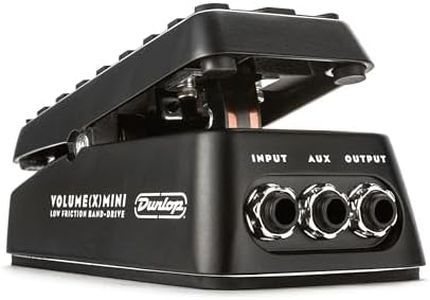
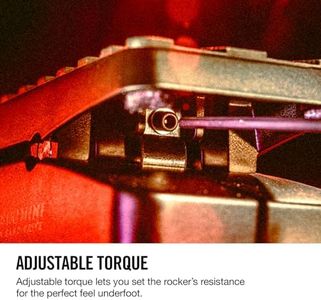
The Jim Dunlop Volume X Mini Pedal is a compact and durable volume pedal designed for guitarists who need precise control without taking up much pedalboard space. Its small size makes it ideal for travel or crowded setups, yet it still offers smooth, reliable volume swells thanks to its proven low friction band-drive system, tested for over a million uses. This pedal is passive, which means it doesn’t require any power source to operate—just plug and play, making it hassle-free. It also features adjustable torque, allowing you to set how much resistance you want under your foot, which helps with comfort and control.

Rating
7.9
Size and Build Quality
Type (Active vs. Passive)
Additional Features

Most important from
592 reviews

Size and Build Quality
The compact size delivers precise control while saving valuable pedalboard space, making it perfect for travel or tight setups.
Type (Active vs. Passive)
Its passive design means no power source is needed—just plug in and play without any hassle.
Additional Features
Seamlessly switches between volume and expression pedal modes, adding versatile functionality for various rigs.
Taper
Adjustable torque and smooth action provide comfortable, responsive control for expressive volume swells.

Top 10 Best Volume Pedals 2026 in the United States
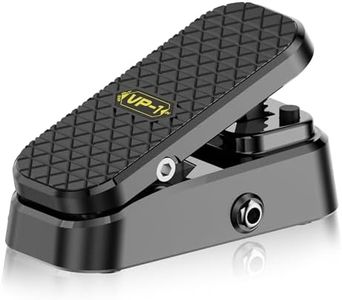
#1

Winner

10.0  score

MOOER GE100 Multi-Effects Guitar Pedal 80 Presets, 66 Effects

Size and Build Quality: 9.06"L x 2.36"W x 5.51"H, 1.61 lbs
Additional Features: Expression pedal, 80 patches, 66 effects

Chosen by 1460 this week

Lehle Mono Volume Pedal S

Type (Active vs. Passive): Active
Size and Build Quality: 8.6x3.95x2.15 in, 1.8 lbs, compact
Additional Features: Magnetic Blackmer VCA, analog, 9V power

Volume (X) Mini Pedal

Type (Active vs. Passive): Passive
Taper: adjustable torque
Size and Build Quality: 6 x 3.5 x 3.5 inches, compact, durable
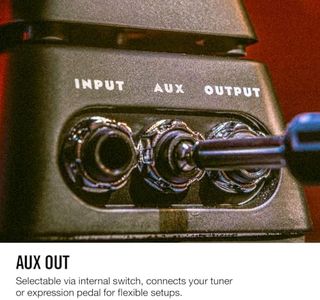
Additional Features: aux output switchable tuner/expression mode

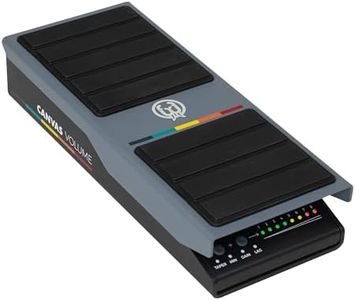
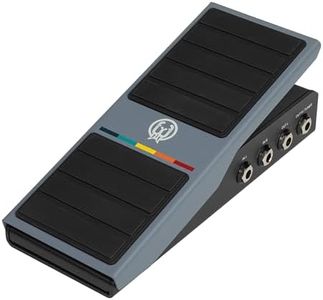
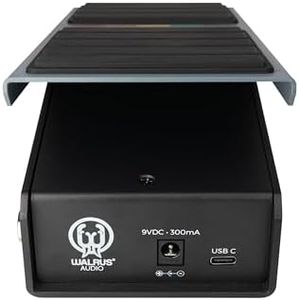
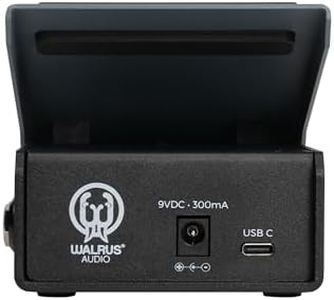
Walrus Audio Canvas Volume Pedal, Gray
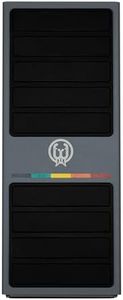
Type (Active vs. Passive): Active
Taper: Analog VCA, fine-tunable taper
Size and Build Quality: Moderate size, solid build, gray finish
Additional Features: Discreet control, mono/stereo, dual outputs

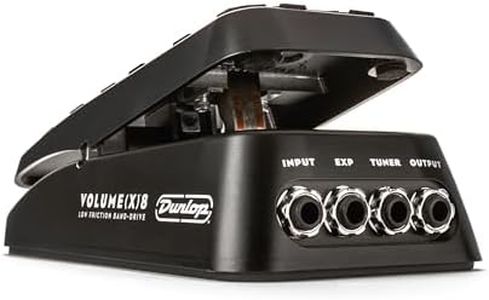
Volume (X) 8 Pedal

Type (Active vs. Passive): Passive
Size and Build Quality: 3.5x5x9.2 inches, solid, lightweight
Additional Features: Adjustable torque, volume control, polarity

Ernie Ball VP JR 250K Volume Pedal, For Passive Signals (P06180)
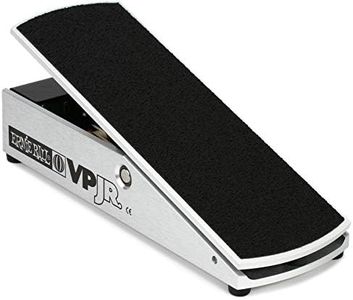
Type (Active vs. Passive): passive
Impedance: 250K
Taper: switch with two swell rates
Size and Build Quality: smaller 'Jr' size; aluminum and steel
Additional Features: none

Active Stereo Volume Pedal

Type (Active vs. Passive): Active
Taper: smooth
Size and Build Quality: 3.6 lbs, 11x4.3 in, solid build
Additional Features: stereo, Blackmer VCA, 9V DC power

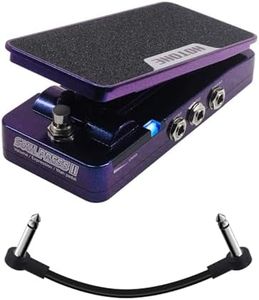
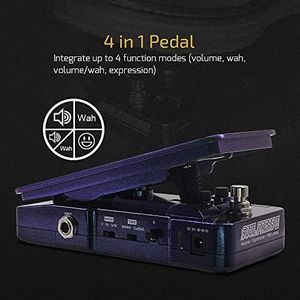
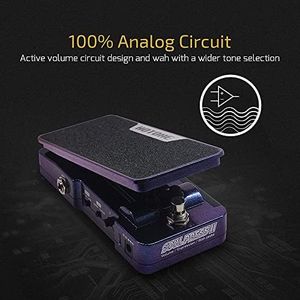
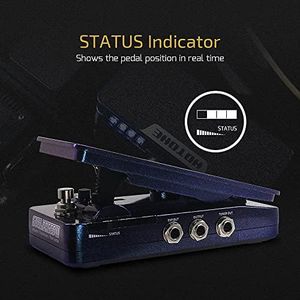
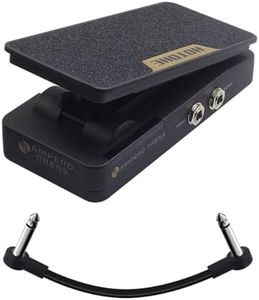
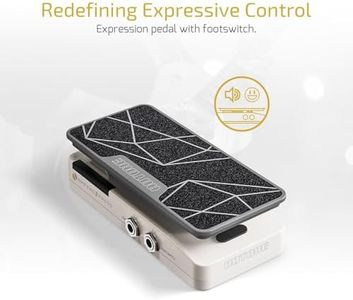
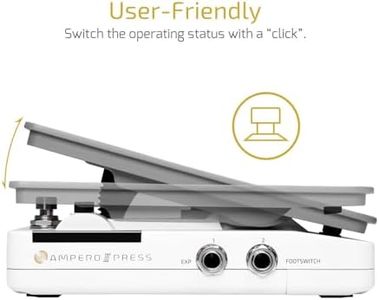
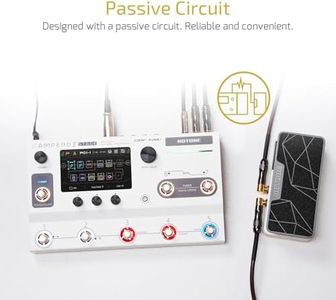
HOTONE 2 in 1 Passive Expression Footswitch EXP Pedal Ampero II Press(Included 1 PCS Additional 15 CM TRS Cable)
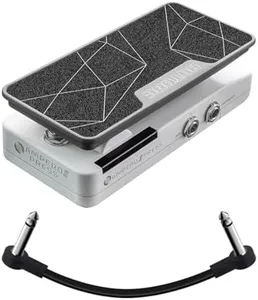
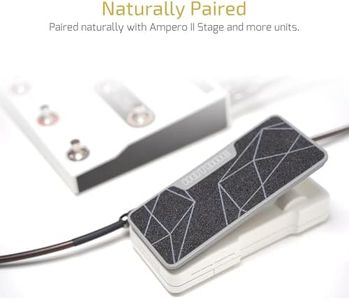
Type (Active vs. Passive): Passive
Taper: Less smooth or wide taper range
Size and Build Quality: 6.4 x 3.2 in, compact, tactile click
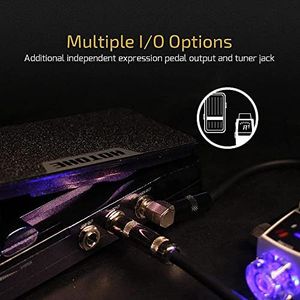
Additional Features: Independent outputs, includes 15 cm cable
How do we rank products for you?

Our technology thoroughly searches through the online shopping world, reviewing hundreds of sites. We then process and analyze this information, updating in real-time to bring you the latest top-rated products. This way, you always get the best and most current options available.

headphones-stars

Buying Guide for the Best Volume Pedals

When it comes to choosing a volume pedal, it's important to understand that this device can significantly impact your overall sound and performance. A volume pedal allows you to control the volume of your instrument dynamically, which can be crucial for creating smooth transitions, swells, and maintaining balance in your sound. To make the best choice, you need to consider several key specifications that will determine how well the pedal meets your needs and integrates with your setup.
Type (Active vs. Passive)Volume pedals come in two main types: active and passive. An active volume pedal requires a power source (usually a battery or power adapter) and often includes a buffer to maintain signal strength. This is important if you have a long signal chain or use multiple pedals, as it helps prevent signal loss. A passive volume pedal does not require power and relies on a simple potentiometer to control volume. It's generally more straightforward and can be a good choice if you prefer a simpler setup or have a shorter signal chain. Choose an active pedal if you need to maintain signal integrity over long distances or through many effects, and a passive pedal if you want simplicity and don't have issues with signal loss.
ImpedanceImpedance refers to the resistance of the pedal to the electrical signal passing through it. This is important because matching the impedance of your volume pedal with your instrument and other pedals ensures optimal performance and sound quality. Volume pedals typically come in high-impedance (for passive pickups like those in electric guitars) and low-impedance (for active pickups or line-level signals) versions. If you're using a passive guitar, a high-impedance pedal is usually the right choice. For active pickups or if you're placing the pedal after buffered effects, a low-impedance pedal is more suitable.
TaperThe taper of a volume pedal describes how the volume changes as you move the pedal. This can be linear or logarithmic. A linear taper means the volume increases evenly as you press the pedal, while a logarithmic taper means the volume change is more gradual at the beginning and more pronounced towards the end. This is important for achieving the desired control over your volume swells and dynamics. If you need precise control over gradual volume changes, a logarithmic taper might be better. For more straightforward volume adjustments, a linear taper could be sufficient.
Size and Build QualityThe size and build quality of a volume pedal can affect both its durability and how it fits into your pedalboard setup. A larger pedal might offer more precise control and be more comfortable to use, but it will take up more space. Build quality is crucial for ensuring the pedal can withstand regular use, especially if you perform frequently. Look for pedals made from sturdy materials like metal, and consider the size based on your pedalboard space and how much control you need. If you have limited space, a smaller pedal might be necessary, but ensure it still offers the durability and control you require.
Additional FeaturesSome volume pedals come with additional features such as tuner outputs, expression pedal functionality, or minimum volume settings. These can add versatility to your setup. A tuner output allows you to connect a tuner without affecting your signal chain. Expression pedal functionality means the pedal can also control other effects parameters, adding more flexibility. Minimum volume settings let you set a baseline volume level, which can be useful for maintaining a consistent minimum volume. Consider these features based on your specific needs and how they might enhance your playing experience. If you need more versatility, look for pedals with these additional features.

FAQ